It is no secret that rural America is not a large contributor of students to major universities or even to higher education in general. However, it is an issue that persists despite similar high school graduation rates, with rural areas having a rate of around 90% compared to the 89% in suburban areas. Nevertheless, just 21% of rural Americans hold a Bachelor’s degree or higher, a noticeable difference from the 37% of Americans in urban and suburban areas.
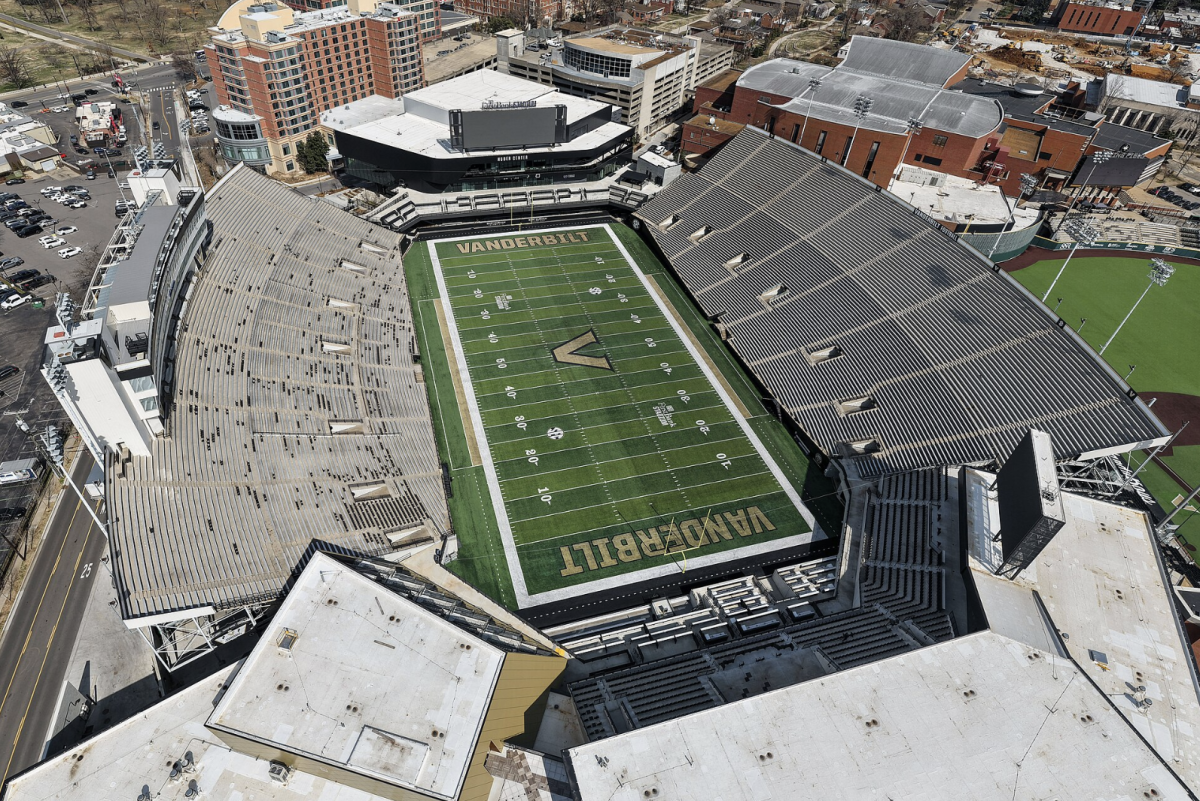
Further, Americans from rural areas make up 20% of the nation’s population, but at top 20 universities such as the University of Chicago, they make up less than 10% of the enrollment. Even at Vanderbilt, small-town and rural students comprise 10% of the Class of 2029. All of this begs the simple question: why? Perhaps the answer can be found in the limited resources in rural schools and areas, as well as a political divide in support of higher education.
Funding challenges limit resources provided to rural school districts. Around 53% of U.S. school districts are located in rural areas, but rural schools only receive 17% of state education funding. This lack of funding means that rural schools offer fewer opportunities and programs to students. Many do not offer ACT or SAT prep courses or may have limited college counselors, which are more common in urban and suburban districts. At my high school in rural Ohio, limited funding meant that college prep courses like AP and IB were not possible. Instead, some dual enrollment classes were offered through a local college. Rural high schools rarely have the funding and tools needed to focus on introducing and preparing students for higher education opportunities while also fulfilling basic education requirements.
Similarly, limited resources for rural schools and students come in the form of higher rates of poverty. Rural America has poverty rates of 17% as opposed to 13% in urban areas. These increased rates of poverty mean that even if rural students are accepted into major universities, their families may not have the finances to afford tuition. Across the country, tuition rates at private universities increased around 6% over the past academic year. Additionally, it is this poverty that contributes to the aforementioned funding challenges because it means less tax revenue supporting the public schools. While programs like FAFSA exist and some universities are committed to meeting 100% of students’ demonstrated financial need, like Vanderbilt University, many low-income students are still unable to afford reduced tuition costs, or the benefits of working outweigh those of attending college.
A partisan divide regarding higher education is also to blame for rural underrepresentation. Studies indicate that only around 33% of Republicans believe higher education has a positive effect on the U.S., compared to roughly 67% of Democrats. Given that rural America is largely conservative, with around 60% of voters supporting the Republican Party compared to 37% in urban areas, many of those same rural Americans lack support for higher education. Thus, students in rural areas are predisposed to perceive less value in attending university. The result is a smaller pool of applicants from rural areas for universities to choose from.
Not only do rural students have fewer opportunities to study at top universities, but it also means universities are experiencing less diversity in perspectives. Having students from different backgrounds allows students to better understand one another, and subsequently better understand the U.S. It exposes people to new cultures and traditions, which can even lead to more productive students and eventually, employees through increased empathy and collaboration ability.
Although the issue is ingrained within our society, some steps can be taken. Increasing funding for rural schools would be helpful. It would provide underfunded school districts with the resources for college, test preparation, and other programs that aid college readiness. Additionally, new programs and initiatives to help both rural educators and students should be implemented. Organizations like STARS (Small Town and Rural Students) already exist at many of America’s top schools, like Vanderbilt, but expanding their influence would contribute to more support of rural students in higher education through outreach programming. Higher education is not just for one type of person; it is for everyone, regardless of their background.