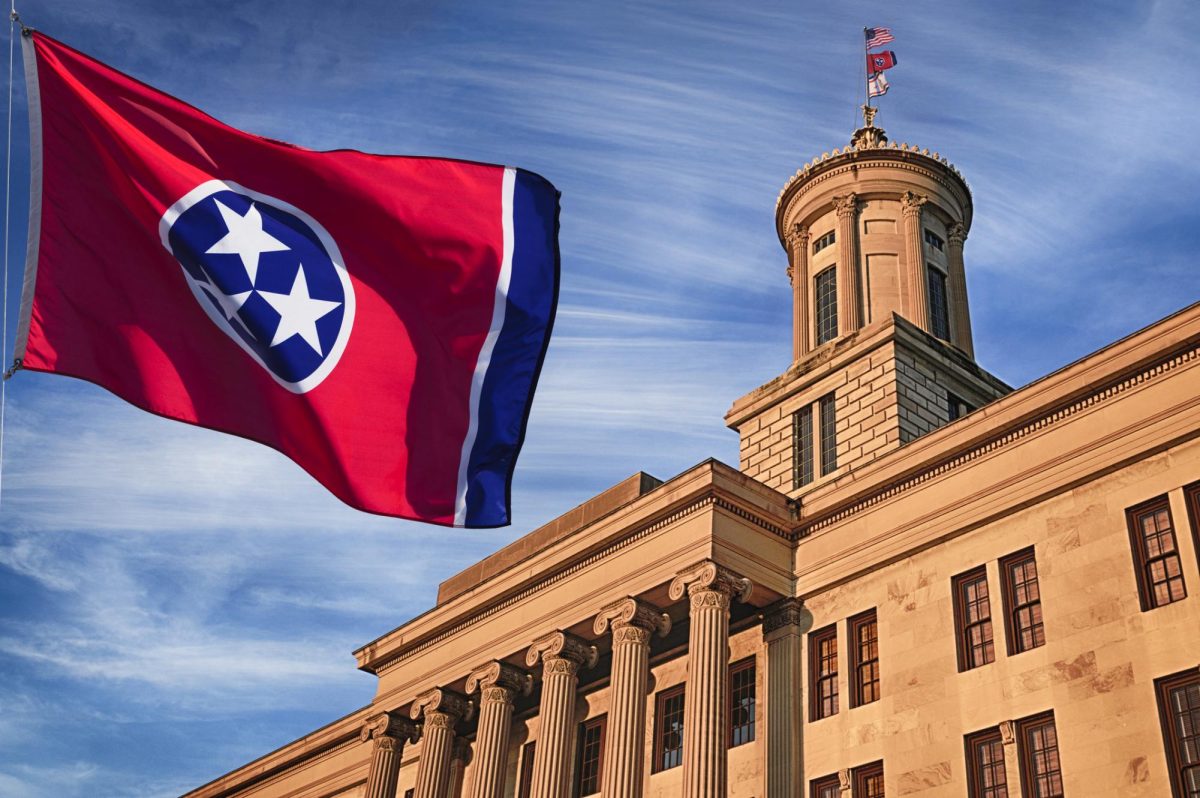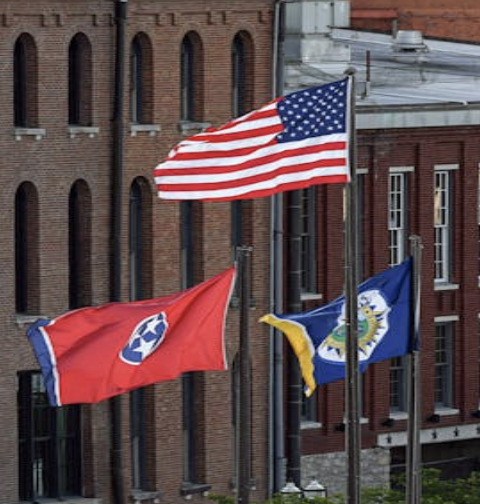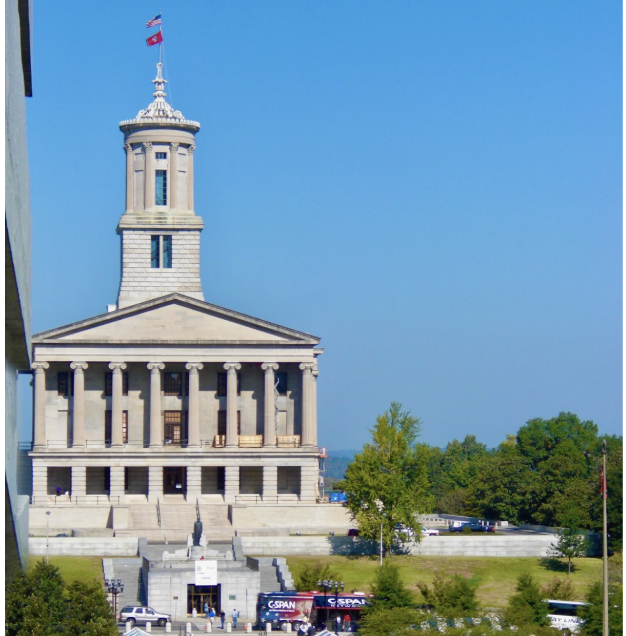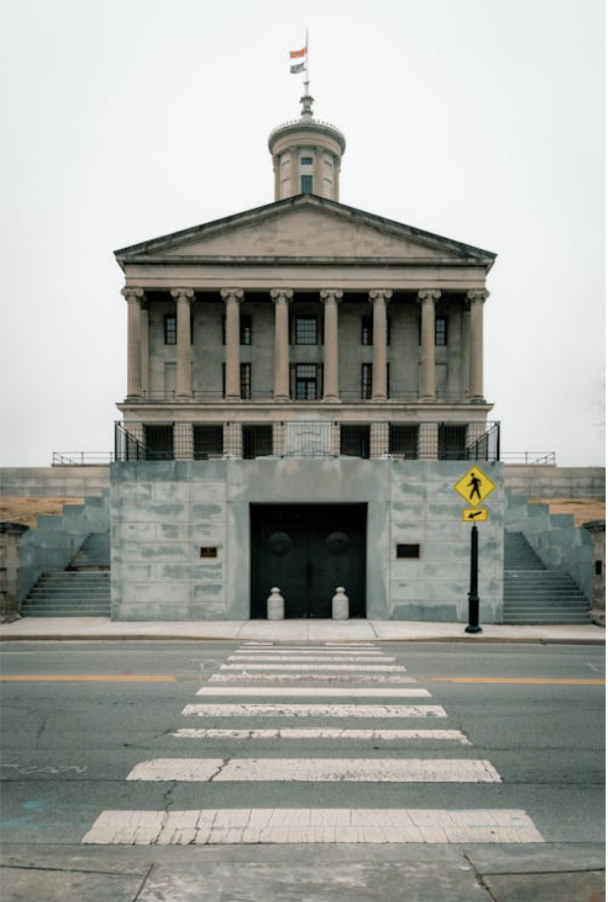
Tennessee lawmakers are once again pushing legislation that attacks children’s access to education. On March 4, 2026, a hearing took place to discuss HB 793, one of the many current bills attacking immigrant rights. The Tennessee House Finance, Ways and Means Subcommittee voted 9–3 to advance the bill, sending the proposal to the full committee for further consideration.
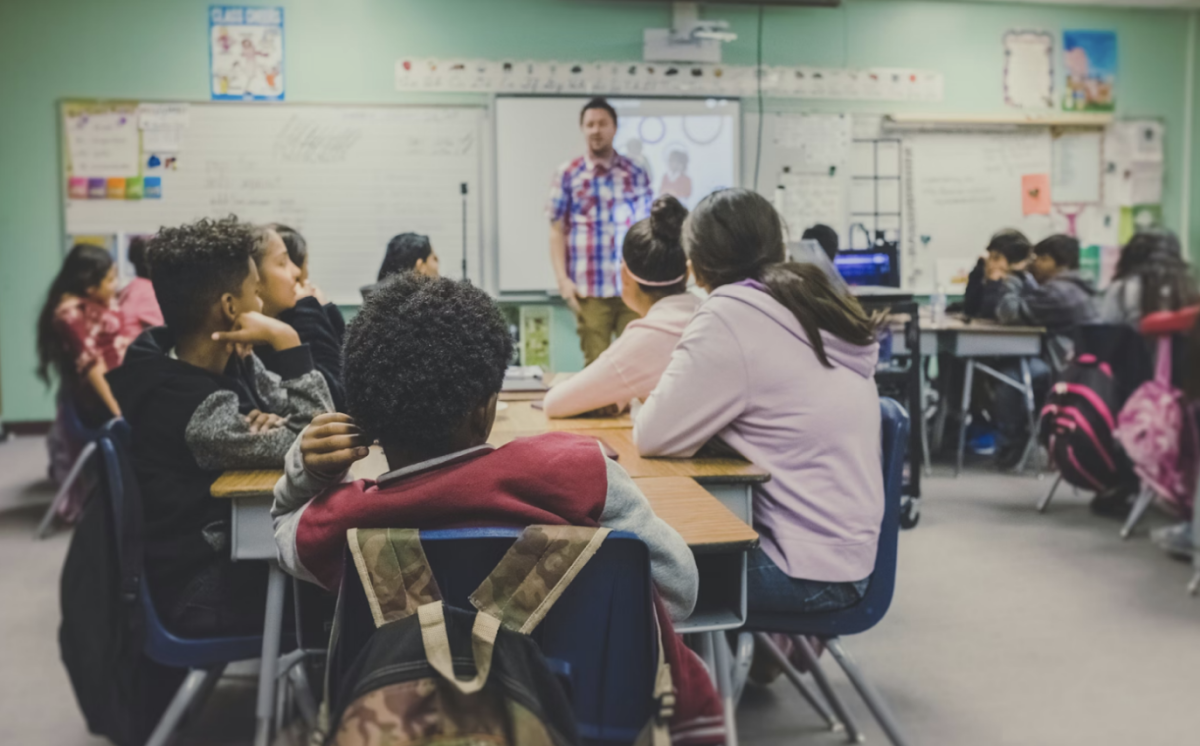
This bill was originally introduced in 2025, asserting that children without citizenship status would possibly be denied the right to public education or forced to pay their own tuition. However, this directly challenged the Supreme Court’s decision in Plyler v. Doe, which guarantees access to education for all students regardless of status, leading to an amended version of the bill. Under the current version of HB 793, public schools will be required to track and report students’ citizenship status, including valid immigration or visa status, as well as any pending immigration proceedings. Despite its amendment, the profound consequences of the updated proposed bill are stark, widening education inequities across Tennessee.
Many advocates declare that this bill simply provides lawmakers with information about the costs to educate undocumented children, claiming it is simply a matter of financial investigation. State Senator Bo Watson, the sponsor of this bill, asserts: “What I’m trying to discuss here is the financial burden that exists with what appears to be an increasing number of people who are not lawfully here.” The House Majority Leader William Lamberth states, upon reviewing this information, “then, we can take whatever action down the road that this body would choose to take.”
However, what does this mean for the future? Given the current state of our immigration agenda, this bill could be another roadmap to targeting communities with many immigrant students.
On the surface, the amendment to HB 793 seems to somewhat alleviate the bill’s unethical proposals. Nevertheless, this bill has disheartening implications for immigrant families by creating a fearful educational climate where immigrants are in constant fear about being identified as undocumented. While this bill now does not directly deny access to education, the fear instilled in immigrant parents may deter them from sending their students to school altogether. This measure also diverts the limited time and resources available from supporting students’ academic needs and providing teachers with necessary support. Even more worrisome, the information which lawmakers gather could serve as a database utilized in the future for further restrictions on enrollment or funding for immigrant children.
Most importantly, it is morally abhorrent to restrict a child’s access to education based on immigration status. Children do not get to choose where they are born or what their immigration status is. The right to a public education is a fundamental American right reaffirmed by Plyler v. Doe in 1982; education is the key to breaking generational poverty, creating economic mobility, and building a better life for oneself. Moreover, to cultivate a more productive and healthy society, it’s essential that every child has the foundation needed to succeed. Whatever side you are on in the political spectrum, we should all collectively agree that there is no space to restrict education to our most vulnerable group: children.
Despite the roaring voices and chants outside after the March 4 hearing, lawmakers still cannot see past their ulta-conservative agenda and the lasting effects of this bill. The bill is scheduled for a House Finance, Ways, and Means Committee hearing on March 10. Only time will tell if the bill receives further support in the legislative process or is halted before it reaches the House floor.