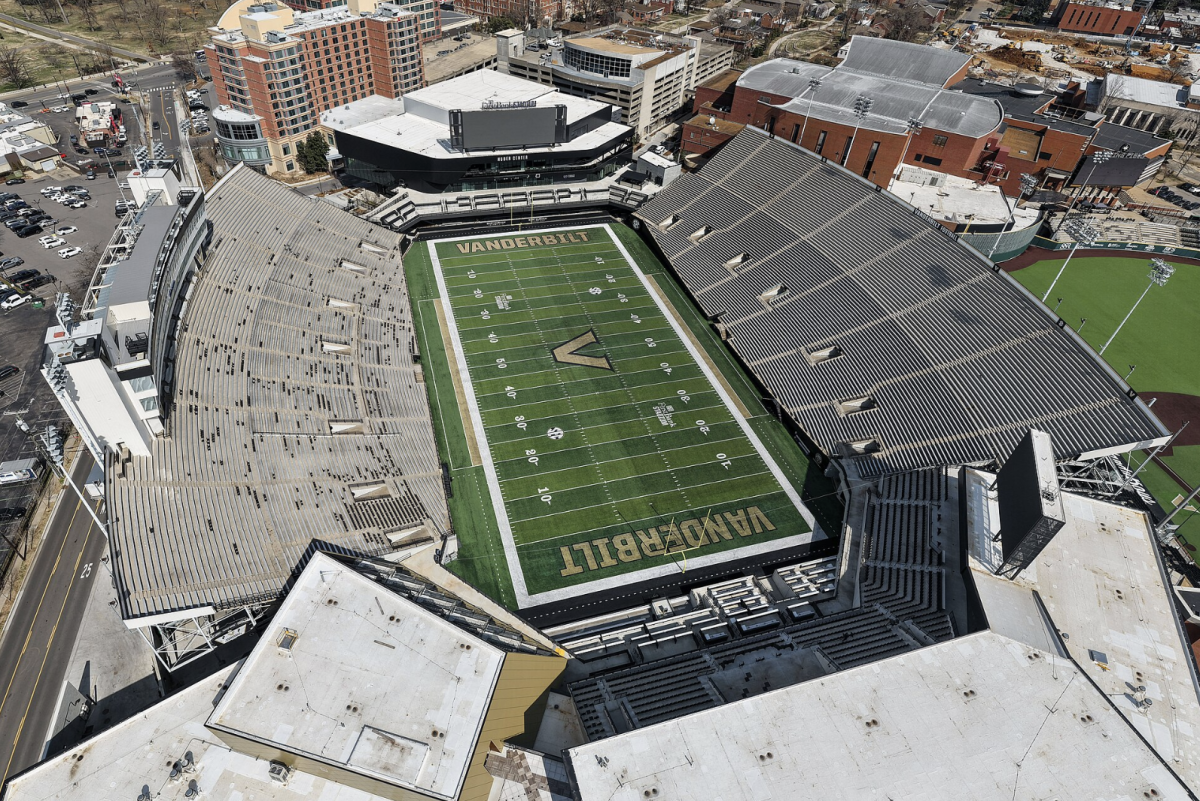
Universities across the country are fighting over what “free speech” actually means, and Tennessee is no exception. In recent years, state lawmakers have passed multiple bills that claim to protect student expression. But on campuses like Vanderbilt, these laws raise a deeper question: are they protecting speech, or politicizing it?
Although private universities such as Vanderbilt are not directly subject to these laws, the growing involvement of the state in defining acceptable campus expression signals a shift in who holds authority over academic discourse, raising questions that extend beyond public institutions alone.
Here’s the real concern: these laws often frame universities as hostile to conservative voices, suggesting without evidence that campuses silence certain viewpoints. The legislation positions the state as an ideological referee, empowering lawmakers to micromanage how schools respond to protests, teach controversial topics, or allocate student funding. When government takes a side in academic debates, universities lose their ability to foster genuine, student-driven dialogue.
At the heart of the problem is a misunderstanding of what higher education is for. Campuses function best when they allow messy debate, tough questions, and student-led disagreements. But when political actors claim universities are indoctrination centers, they justify legislation that forces schools to adopt specific speech rules imposed from Nashville. Critics argue that these laws have less to do with open dialogue and more to do with scoring political points in culture-war battles.
Look at the pattern. In 2022, Tennessee passed a law requiring public universities to survey students and faculty annually about “campus viewpoint diversity.” Legislators framed this as a neutral tool, but researchers warned that similar laws in other states have produced misleading results that lawmakers later weaponized to justify further restrictions. In practice, these surveys risk turning faculty and students into political data points.
The solution is not more government oversight. It is strengthening student-led forums, expanding civic education, and ensuring universities have the autonomy to design their own policies based on research rather than political pressure. Administrators should also communicate policy decisions more transparently, so students understand how free speech rules actually work on their campus.
Of course, some argue the state must intervene because universities lean left culturally, and conservative students sometimes feel marginalized. That concern deserves attention. Every student, regardless of ideology, should feel comfortable sharing their views. But government intervention is a blunt instrument: one that often introduces new political pressures instead of resolving existing ones.
At a time when polarization shapes nearly every national conversation, campuses should be spaces for independent inquiry, not ideological battlegrounds for state politicians. If lawmakers truly want to protect free expression, they should trust universities, and the students within them, to build environments where disagreement thrives without political interference.
Tennessee’s newest speech laws do not expand discourse. They narrow it. And the best way forward is simple: let campuses govern themselves, and let students lead the conversations that shape their academic communities.