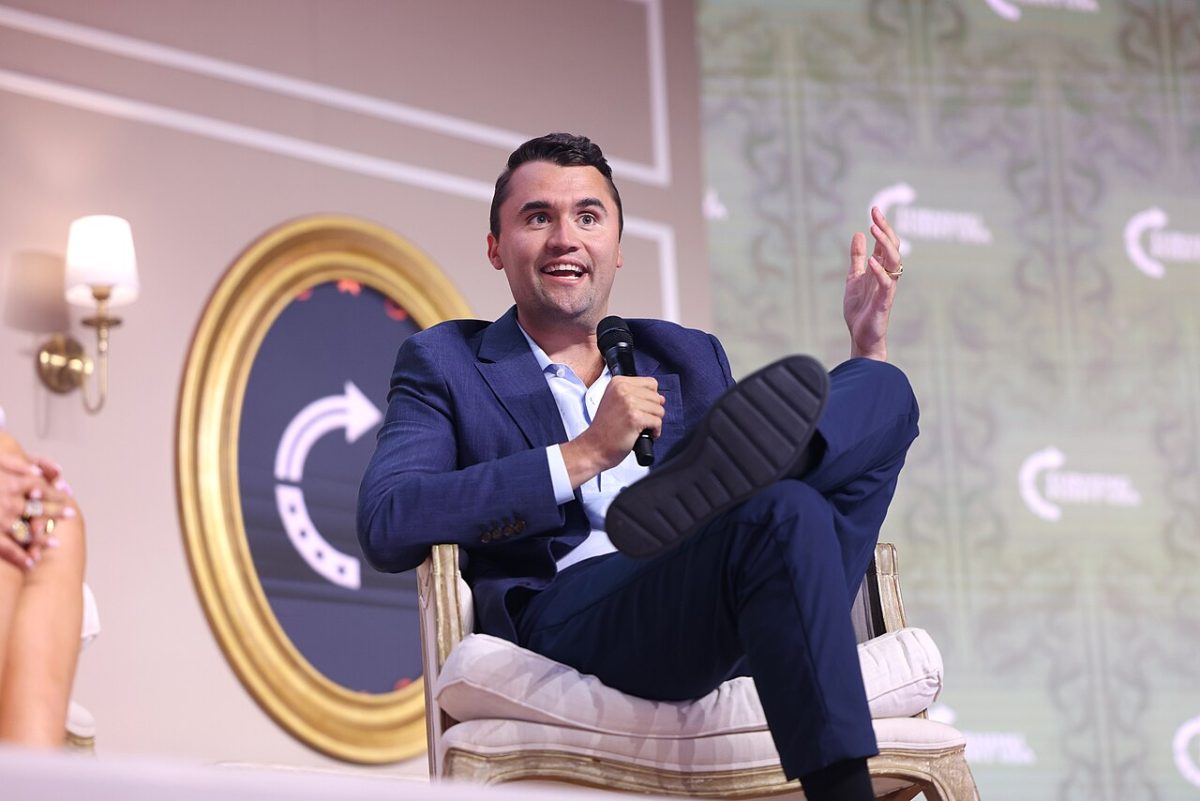
Following the assassination of master debater Charlie Kirk in September 2025, conservative state legislatures across the nation have passed a flurry of laws intended to preserve and continue his life’s work. These laws typically target institutions of higher education, where Kirk deployed a large part of his activism. Famous for ‘Prove Me Wrong’ forums intended to stoke controversy and engage campus free speech, Kirk became an idol of the MAGA right, promoting a set of anti-immigration, Christian nationalist, and ‘America First’ policies with the ascension of the second Trump administration. Though blanketly partisan, laws memorializing Kirk do (rarely) make genuine provision for greater student and educator freedom of expression on campus, especially critical in a time where university retaliation against protected speech is an endemic problem.
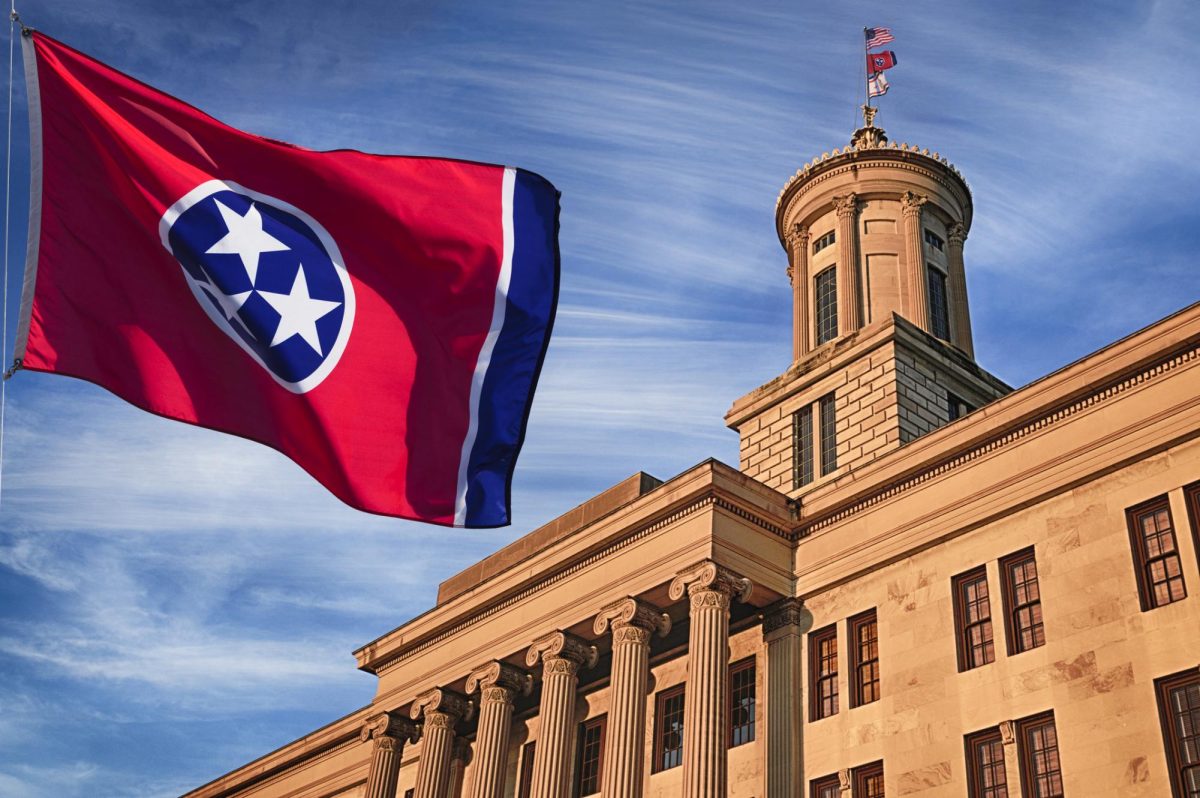
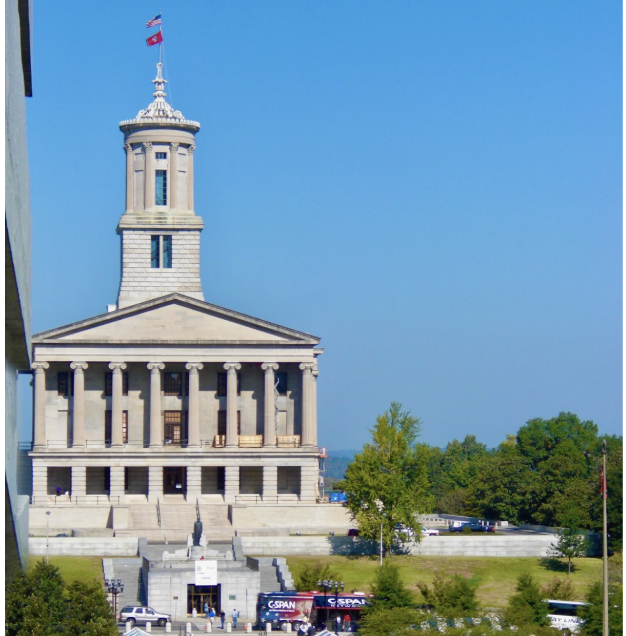
In Tennessee, three such laws are in various stages of legislative approval. SB-1959, currently working its way through the Senate Education Committee, allocates over 18 million dollars to build a “Charlie Kirk Memorial Courtyard for Civil Debate” on all public campuses, meant to encourage visitors to “exchange differing ideas and opinions with respect and civility.” SB-1828, signed by Governor Bill Lee this March, promotes public education on the “positive impacts of religion in American history,” allowing 19 subjects for classroom discussion. HB-1476, known as the “Charlie Kirk Act,” passed in the legislature on April 13, and is still waiting to be signed into law.
The Charlie Kirk Act contains two key sections relating to institutions of higher education: one requiring public universities to draft and enforce official stances on their role in social and political debates resembling that of the University of Chicago, and one protecting students and educators from retaliation for expressing certain viewpoints.
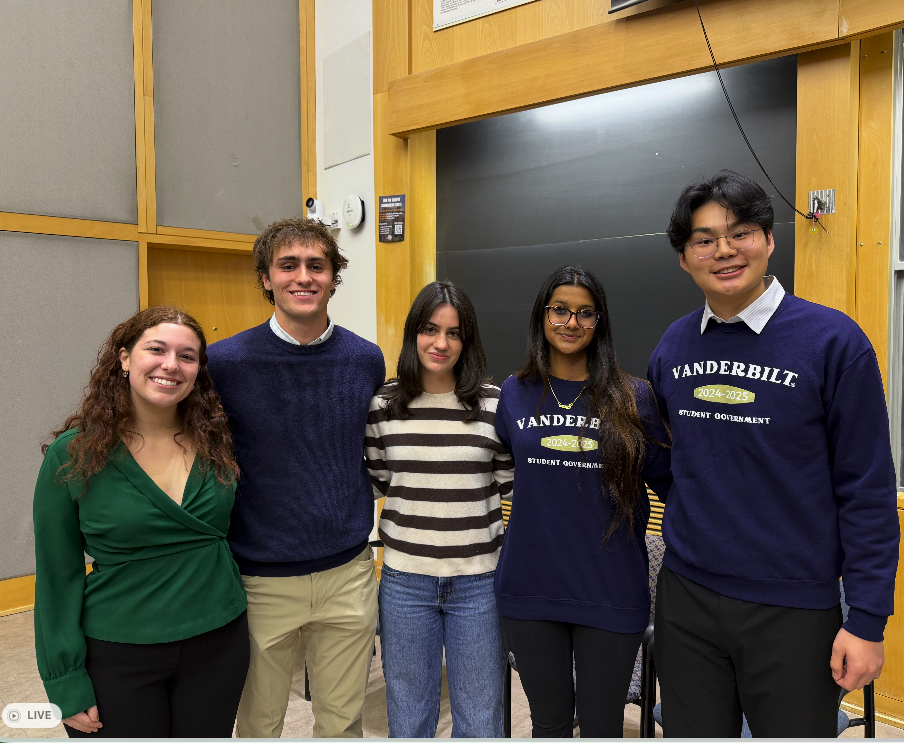
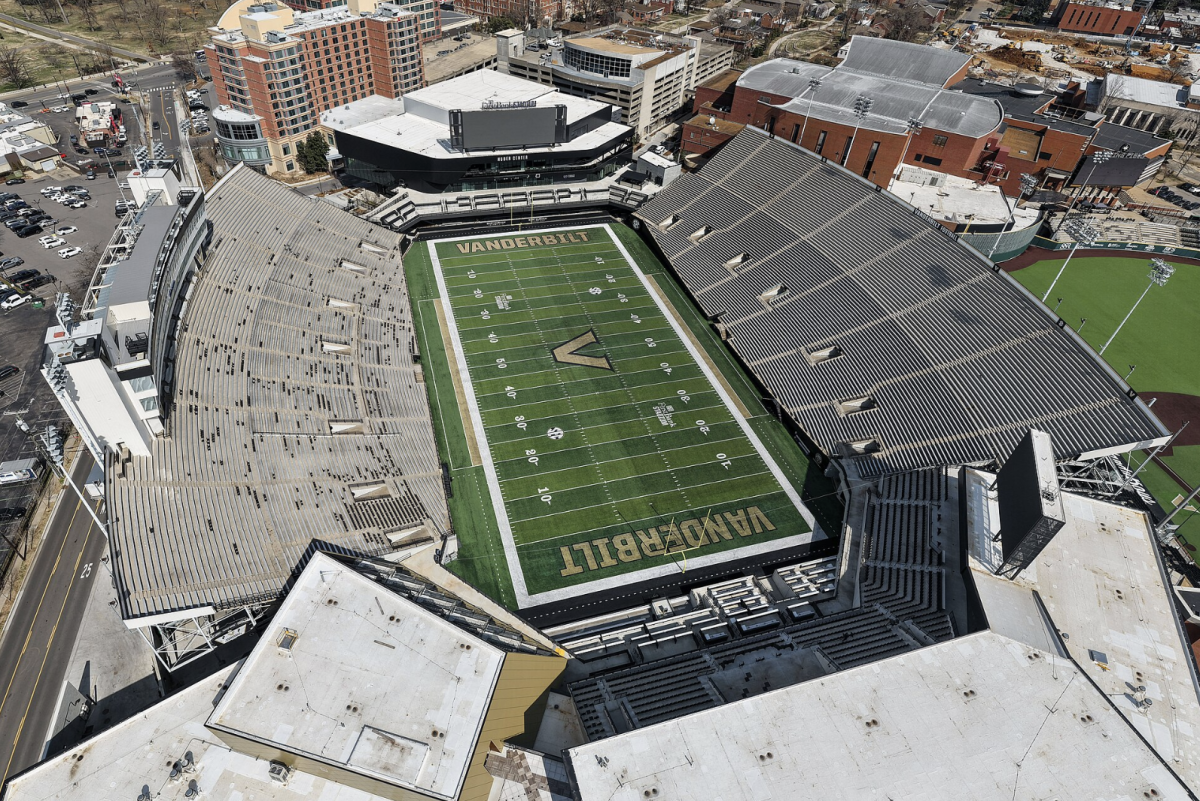
The University of Chicago’s “Report on the University’s Role in Social and Political Action” (aka the Kalven Report), devised in 1967 at the height of the Civil Rights struggle, forms the bedrock of modern university policies of institutional neutrality. The fundamental idea of the report is that universities, as intricate social institutions prizing excellence in education and research, cannot behave as democratic bodies. It equates freedom to dissent and freedom from imposed ideologies – even a majority-approved decision risks censuring the minority. A university, thus, “cannot take collective action on the issues of the day without endangering the conditions for its existence and effectiveness. There is no mechanism by which it can reach a collective position without inhibiting that full freedom of dissent on which it thrives.” However, it makes special exception for instances in which power-holding groups “threaten the very mission of the university and its values of free inquiry,” assuring us that such a situation would be “extraordinary.” This sentiment is strongly echoed by the 2024 “Vanderbilt-WashU Statement of Principles,” made in the wake of student protests surrounding the Gaza War.
In a world increasingly defined by the urgent necessity for rapid social and political change, such an arrangement has become the very thing it attempted to combat – partisan, not de jure but de facto. I argue this is by design. ‘Institutional neutrality’ as such is perceived as non-partisan not because it refutes ideology but precisely because it upholds it, taking advantage of the invisibility of status quo group thought. I claim there is no neutral position, only invisibly partisan positions. ‘Institutional neutrality’ may be more rightly called ‘institutional assumption of the status quo,’ though its function remains the same: the preservation of university status, funding, and civil order among students and faculty. The “Charlie Kirk Act” demands such a position from Tennessee universities not because it strengthens a culture of free speech, but precisely because it softens their ability to do anything but move in lockstep with a further and further rightward-shifting status quo.
In line with this, the bill prohibits university officials from disinviting a speaker due to their views or student protests in opposition to the speaker – largely a move to protect controversial right-wing visitors from largely left-wing student bodies. Furthermore, it prohibits any form of discrimination against students, faculty, or student organizations expressing their “sincere religious beliefs” (the loudest of which are right-wing beliefs), or “opposition to abortion, homosexuality, or transgender behavior,” making no such protections for potentially controversial advocacy of such groups. It also protects student organizations’ ability to deny leadership or membership based on “lifestyle choices,” a common pseudonym for gender or sexual identification. This makes sense, as radicalism in religion and opposition to the findings of feminist or gender scholarship are both trademarks of Kirk and the platform he helped empower.
However, the bill also ensures total protection from retaliation for the scholarly work and expressed opinions of university faculty.
In February of this year, Vanderbilt launched an investigation into mathematics lecturer Tekin Karadag for course materials referencing Israeli encroachment upon Palestinian territories — an undeniable historical fact recognized and thoroughly documented by international political bodies like the United Nations. Such a policy, if adopted at Vanderbilt, would unanimously prevent such disastrous and controversial inquiries into teaching faculty done at the behest of powerful, interested, and biased parties.
Furthermore, though the bill’s student protections are plainly biased, it is possible that such provisions, in the hands of largely left-wing student and faculty bodies, could backfire. “Sincere religious beliefs” is an impossibly vague distinction, rife for abuse and exploitation. Discrimination based on “lifestyle choices” may very well become a refusal to admit conservative students to student organizations. Blanket permission for speaker invitation may increase the presence of radical left-wing figures, and protection for faculty opinions could see a spike in organized opposition to university policy.
Though the bill only applies to public institutions, its adoption may lead Vanderbilt to consider similar protections for students and faculty, minus the blatant pro-right bias. Even so, an increase in right-wing voices on campus may be an opportunity for a reinvigorated left-wing presence – earlier this month, Vanderbilt simultaneously approved on-campus chapters for Turning Point USA (the organization Kirk founded) and the Young Democratic Socialists of America, likely signaling an increase in on-campus debate next academic year. Whatever remains for the future, Vanderbilt and the Tennessee university system will retain a central position in debates over institutional neutrality and free speech on campuses.