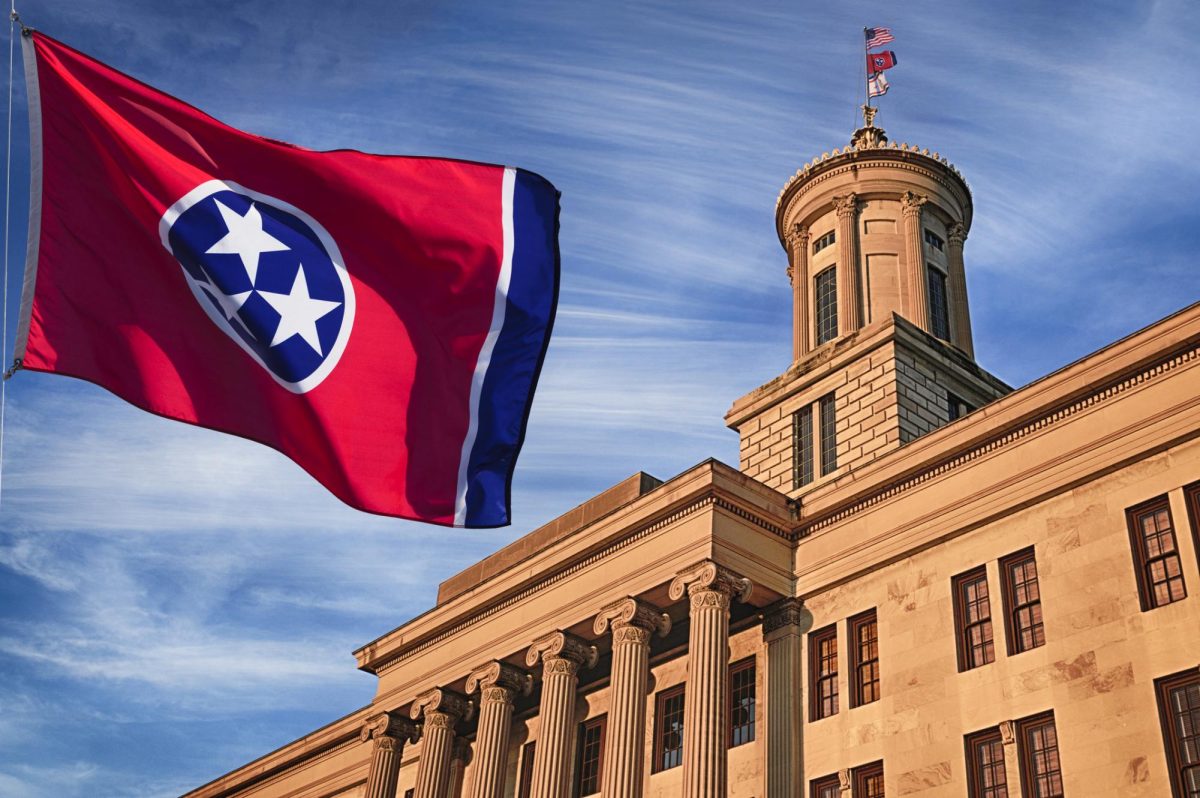
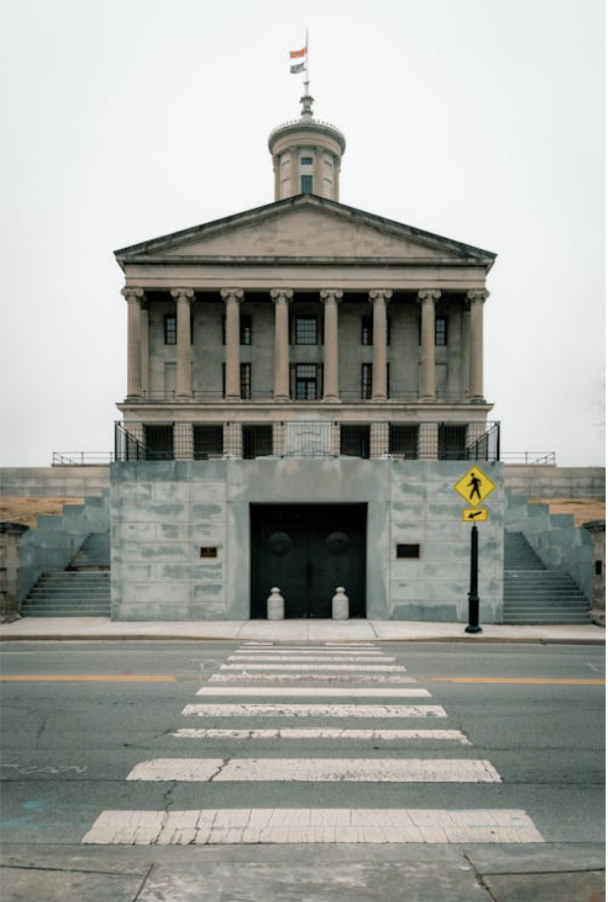
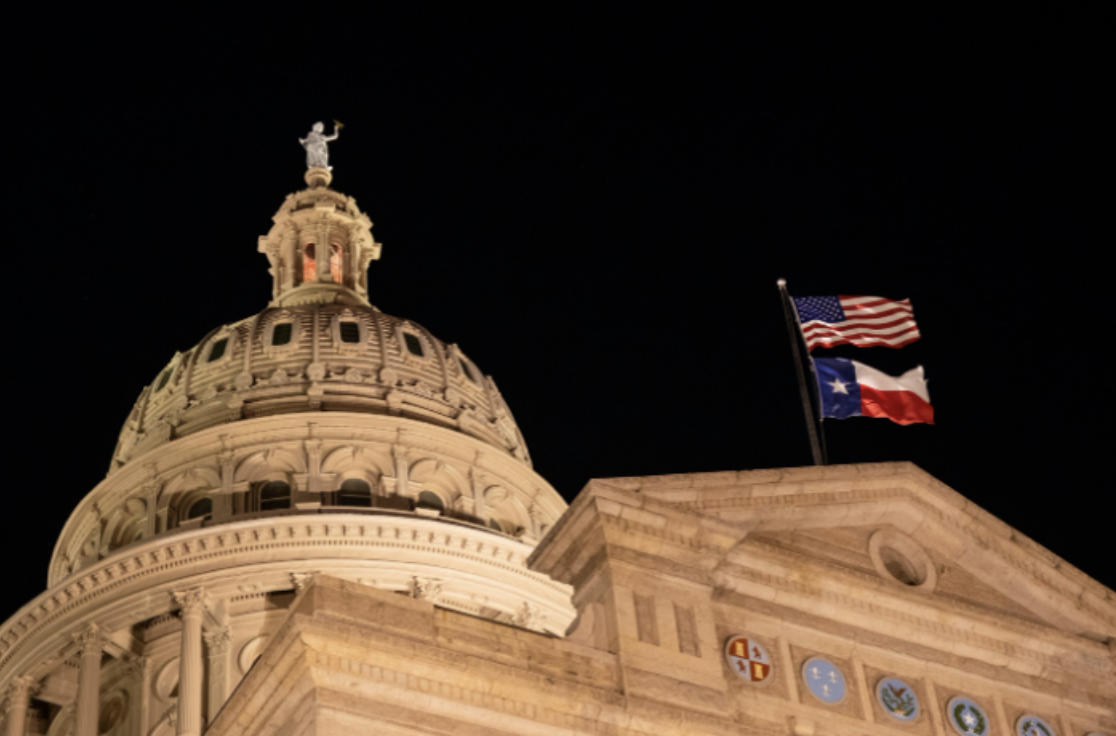
On Feb. 2, Tennessee State Senator “Rusty” Crowe proposed Senate Bill 2583, a piece of legislation that would effectively shorten Tennessee’s early voting period from 15 days before an election to 7-12 days, depending on the election type. This bill is a part of a greater wave of state and national legislation aimed at increasing the efficiency of election processes, a wave led by the GOP.
There is a temporal significance to these efforts to “better” America’s elections: The 2026 Midterms. The GOP’s control in Congress is at risk, and with the midterms quickly approaching, we are going to be looking at a wave of legislation similar to SB 2583. While these proposed bills will masquerade as attempts to streamline our democracy, they will ultimately be attempts to undermine it.
Shortening early voting periods is just one of many conservative-led policy changes that attack the accessibility of voting. Earlier this year, Senate and House Republicans proposed the SAVE Act with initial provisions that involved requiring extra levels of identification forms and ending universal mail-in voting. Such policies would disproportionately harm the civic duties of many demographics, such as the working class, for they would have a shorter period to allocate time out of their 9-5 schedules to vote. Another demographic that these policies would hurt is the economically disadvantaged, who, on average, do not have other forms of identification, such as a passport, and they do not have the money to easily procure one.
Not only would voters themselves face new barriers toward expressing their voting rights, but the Americans who manage voting booths across America would also face undue burden. If SB 2583 passes here in Tennessee, a southern and mostly rural state, thousands of civic workers would have to undergo administrative changes to account for overpopulation at the polls. Pollsters would be doing similar amounts of work, as in years past, but in a shorter time frame. In the 2018 midterms, voter turnout was the highest this country has seen in a century, but the experience of pollsters across America was one of broken machines, long lines, and underprepared poll workers. Minority voters, on average, experienced longer lines than their White counterparts, and because polling stations lacked resources, that racial gap increased. It has been 7 years since such voting mayhem and there have been policies that have allocated resources and training for future elections; however, SB 2583 has not been accompanied by such allocation policies for Tennesseans. Under this bill, thousands of hardworking volunteers would have to face similar workloads as in 2018, and a law that was supposed to increase efficiency would only incite chaos.
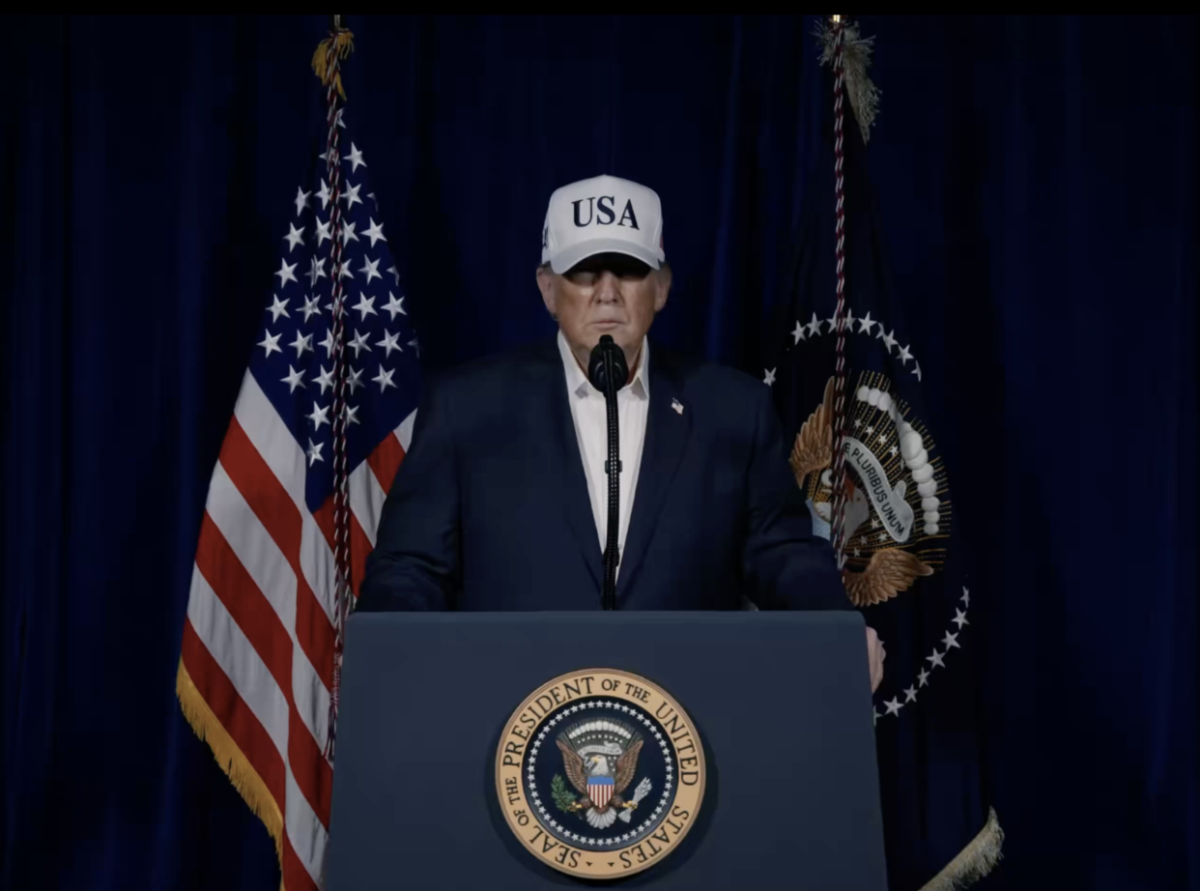
SB 2583 and similar legislation offer us ground to fight on, because partisan conflict should not hinder civic expression for generations to come after the political pendulum ultimately shifts. The GOP faces a strong chance to lose congressional power in these upcoming midterms, and it is clear that our elections are what they are willing to pay to escape that chance. So, when President Trump or the Tennessee legislature pushes policies that inhibit American citizens, grassroots initiatives must be emphasized because our local communities will pay the price.