On March 3, 2026, Dan Crenshaw, the four-term congressman, was defeated by Steve Toth during the Texas Republican primary. Toth challenged Crenshaw on the basis that “his foreign policy and immigration views did not sufficiently align with those of the MAGA movement,” according to NBC News. In the Senate race, John Cornyn, who held the seat for 24 years, faced Ken Paxton. The election resulted in a runoff. This heated race was characterized by both candidates’ efforts to position themselves as the more pro-Trump candidate.
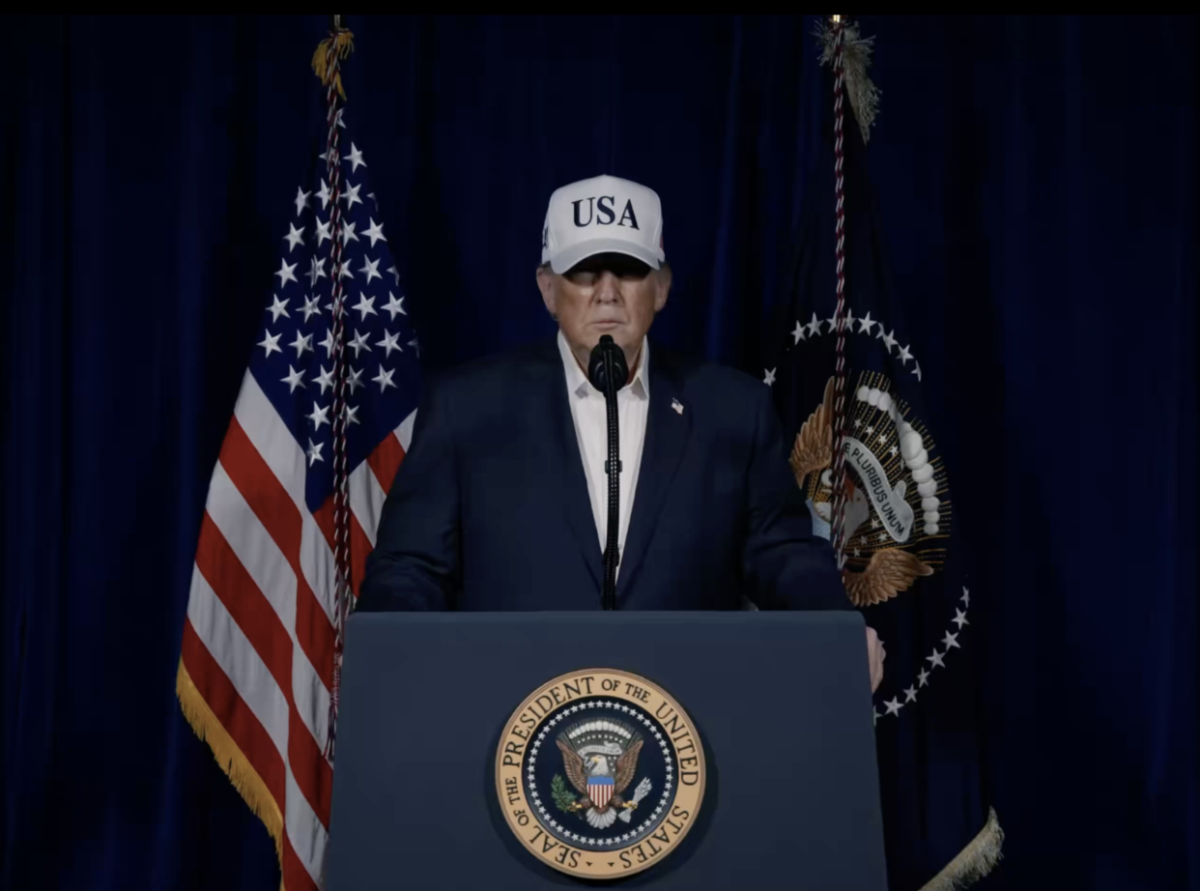
These cases demonstrate the broader trend that candidates are no longer competing over policy differences or appealing to voters with policy proposals. Instead, the clash is over who is more aligned with Trump and the MAGA movement. In this environment, being conservative is not enough; candidates must actively display their loyalty to Trump.
The characteristics of primary elections are contributing to this shift. Primary voters are a smaller, more ideologically aligned group. This means candidates have a more difficult time using policy to differentiate themselves and instead rely on boosting their popularity. One of the most effective ways to gain traction is to align with Trump and the MAGA movement, as Trump’s approval rating among Republicans is 81% in Texas, as of February 2026. Securing his endorsement, or simply being a staunch supporter of him and his movement, is typically a huge boost to one’s performance during the primary elections. In early March, White House deputy chief of staff James Blair claimed that “every candidate Trump backed won their Tuesday primary or advanced to a runoff.”
It is understandable that the candidates will adopt the most effective strategy to win. However, when that strategy is aligning themselves with a figure, there are serious implications. Elected lawmakers are responsible for representing their constituents and advancing public goods. That includes promoting policies that serve the interests of their constituencies and broader populations. In the current dynamic, the shift from policy questions to loyalty is not in the interests of constituents or public goods. Instead, it only boosts the candidates’ popularity. Figures like Paxton are not advancing policy questions but enforcing alignment and loyalty to the sitting president and his movement.
This reshapes competition within the Republican Party. Instead of distinguishing themselves through policy ideas, candidates increasingly emphasize loyalty. This reduces variation among candidates, further polarizing the already extremely polarized political landscape. As Republicans continue to rally behind the MAGA movement and their admiration for Trump, the incentive to compromise or make bipartisan solutions becomes more unlikely. At this rate, we will see more gridlock in Congress, as we have already seen more and longer government shutdowns in recent years. Over time, the failure to cooperate and compromise makes it hard for elected officials to address complex challenges in this complicated world.
If electoral success continues to depend on loyalty over ideas, the way the political system functions will change. This is not only for Texas Republicans, but for all candidates. If candidates are rewarded for prioritizing loyalty to Trump over developing policies, they will fail their constituents. Candidates need to start thinking about how to address the problems their constituents face, such as the cost of living, access to health care, and other issues. Loyalty to Trump and the MAGA movement will not benefit the voters; only real policy suggestions will.