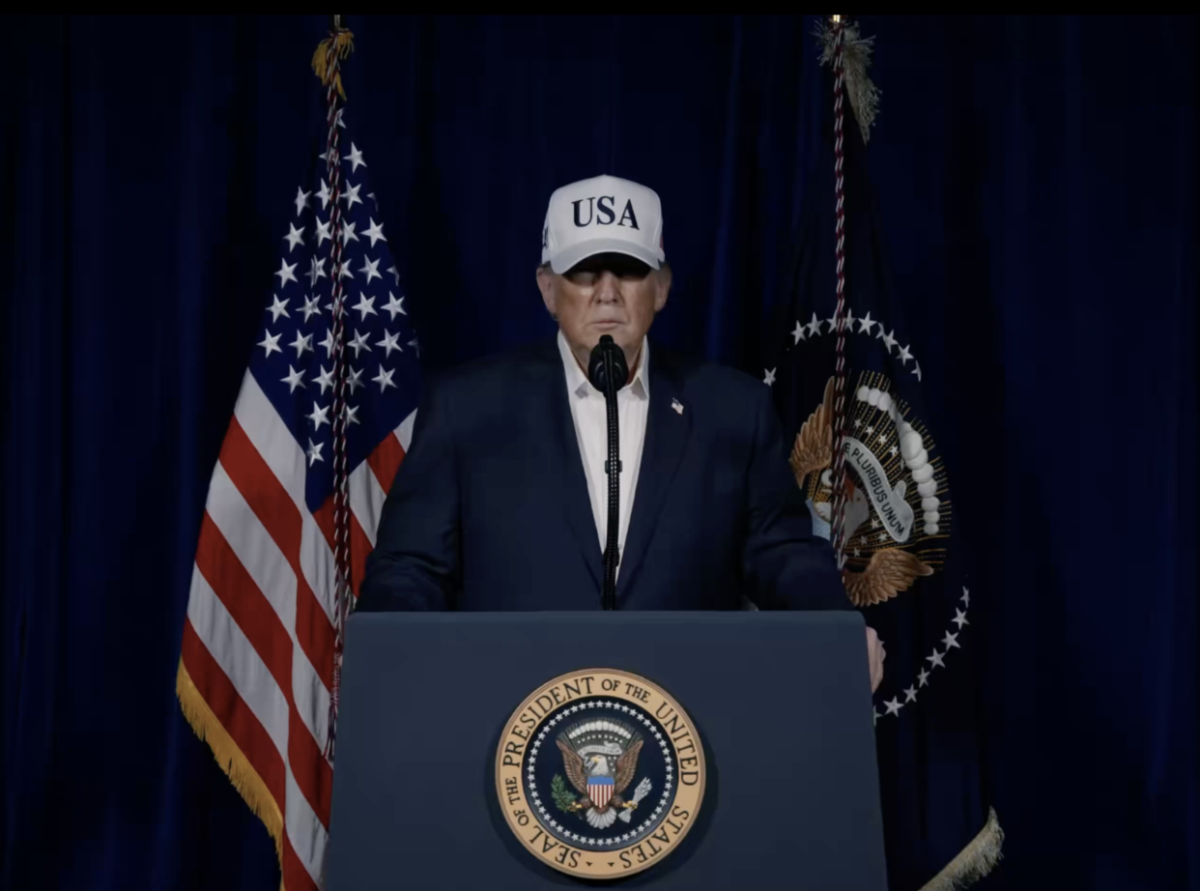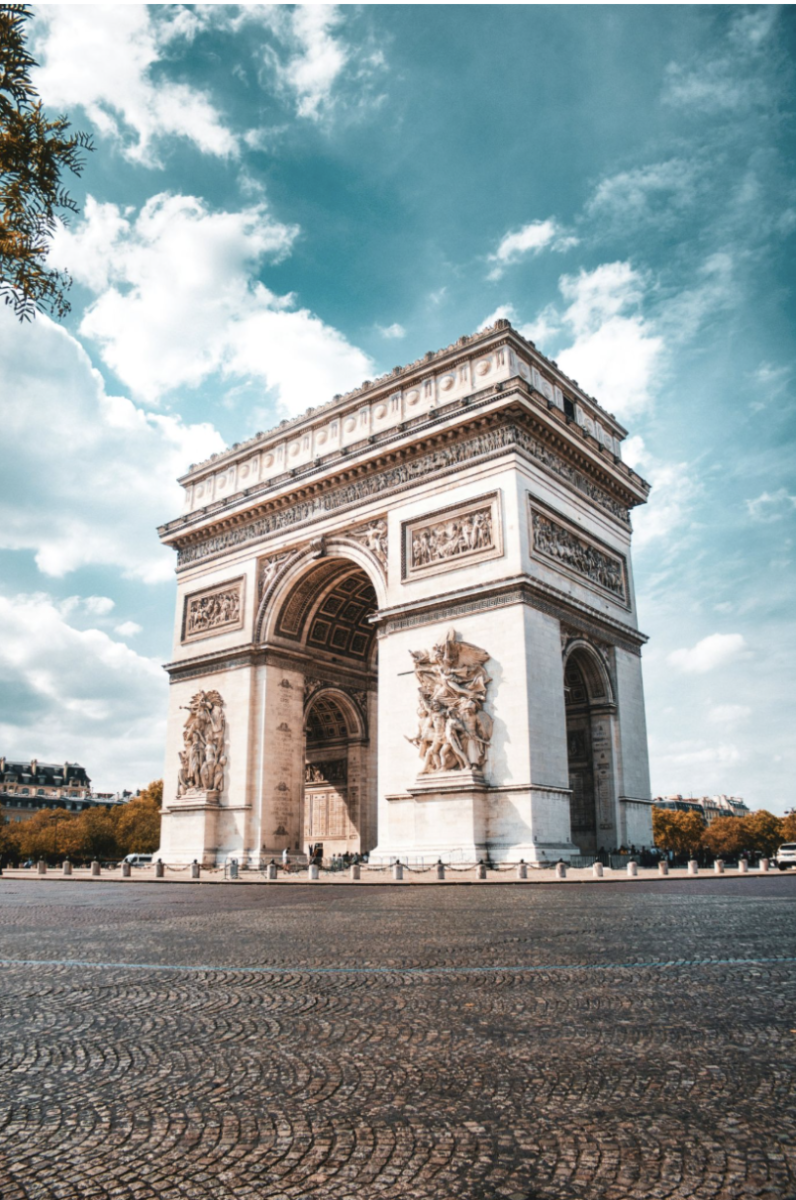
On April 16, 2026, members of the Commission for Fine Arts unanimously approved Trump’s design concept for a massive, 250 ft, gold-adorned victory arch called the “Independence Arch,” to be built at a traffic circle near Arlington National Cemetery and the Lincoln Memorial. The arch’s enormous size dwarfs that of the Arc de Triomphe in Paris (which it is modeled after), as well as the White House, the Lincoln Memorial, and the Capital Building. It will be the tallest arch in any of the world’s capital cities. When asked by a CBS news reporter who the arch honors, Trump responded “Me.” That answer has a frightening 2,000 years of precedent.
Authoritarian regimes have long used architecture as a tool of propaganda, and have built triumphal arches specifically as symbols of power and permanence because of the structures’ links to Roman and Greek antiquity. The origins of the triumphal arch trace back to ancient Rome, where arches were built to commemorate military victories and honor emperors or military generals. Napoleon ordered the construction of the Arc de Triomphe to celebrate his army and cement his legacy. North Korean dictator Kim II Sung commissioned the Arch of Triumph in Pyongyang to project state power. Hitler designed a 400-foot triumphal arch to be built in Berlin, explicitly intended to outsize Paris’s Arc de Triomphe. Sound familiar?
It isn’t a coincidence that Trump’s arch follows this same pattern, and that it will be bigger than them all. Authoritarian rulers build structures not to commemorate the fallen or promote peace and independence, as Trump’s project proposal claims, but as a projection of power and dominance. What makes this alarming is the setting in which the arch will stand. The monuments that exist in Washington, like the Lincoln Memorial or Arlington National Cemetery, have long served as reminders of the sacrifices our soldiers or leaders have made or as perpetuations of the democratic ideals that define our nation. One individual who sent an anonymous letter to the Commission wrote that the project “would be profoundly out of scale with its surroundings” and “appears to disregard established norms that prioritize harmony with existing structures, preservation of sight lines, and respect for the symbolic hierarchy of the capitals and landmarks.”
Since the project’s proposal, it has faced immense criticism from both members of the public and preservationist groups. A group of Vietnam War veterans have sued the project’s construction, arguing that the arch would obstruct historical sites and the president failed to consult Congress. Even so, the project is likely to move forward, given that the members of the Commission for Fine Arts are all Trump loyalists who were hand-picked by the White House.
Officially, the arch commemorates the nation’s 250th anniversary and the veterans that have died fighting for our country. But it has become clear that you can’t honor veterans by building a monument that a veterans group has sued to stop, or commemorate a democracy with a monument that reflects authoritarian impulses.