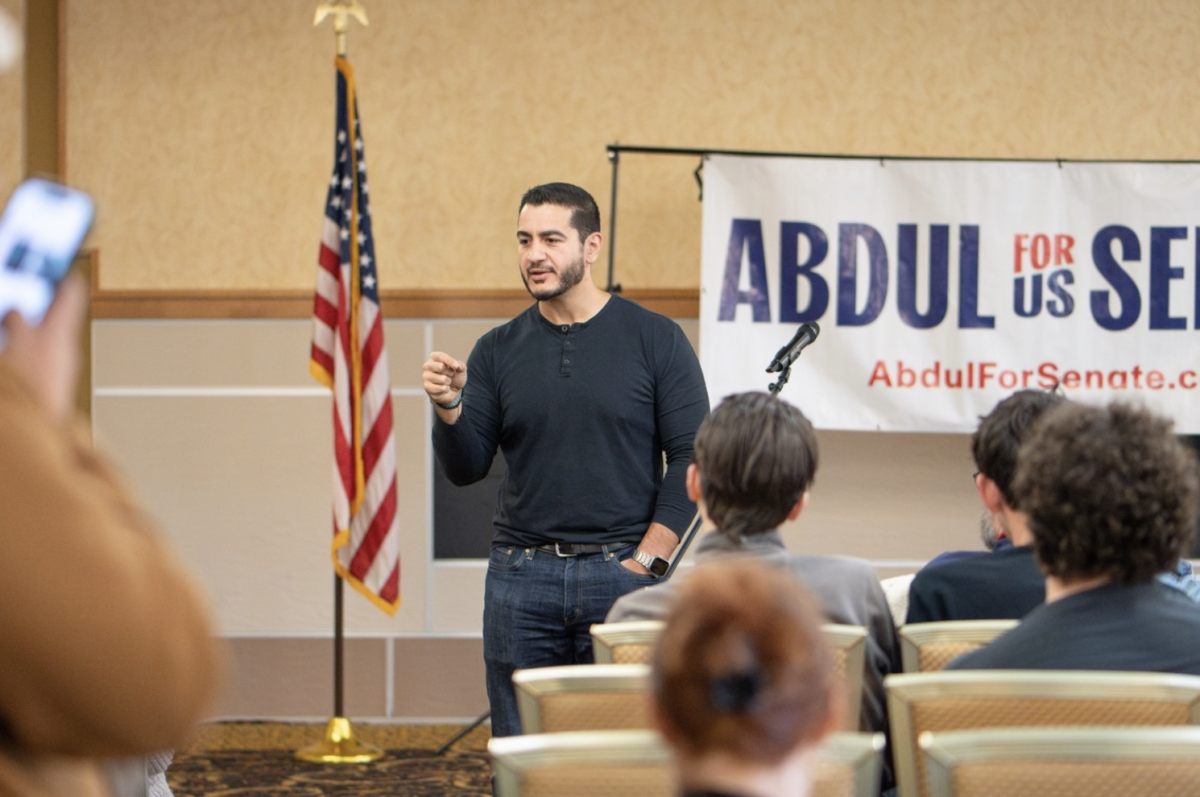
In early April, Democratic Senate candidate Abdul El-Sayed featured progressive podcaster Hasan Piker in his campaign events at Michigan State University and the University of Michigan. This decision drew backlash from some in the Democratic Party. Michigan state senator Mallory McMorrow and Congresswoman Haley Stevens publicly criticized this campaign strategy. In a Wall Street Journal opinion piece, Jonathan Cowan, president of the centrist Democratic think tank Third Way, reinforced their criticisms by referring to several past comments by Piker that he characterized as hateful and antisemitic. They believed that campaigning with figures like Piker risked legitimizing dangerous viewpoints.
The reaction to El-Sayed’s campaign events illustrates how political associations are interpreted within the Democratic Party. Appearances with Piker no longer serve as outreach to new audiences but increasingly become a litmus test. Candidates and politicians are assumed to share, or at least tolerate, the comments associated made by those figures. As a result, candidates are judged through the lens of those associations.
Indeed, some of Hasan Piker’s comments are reprehensible, especially his comments on 9/11, where he said that “America deserved 9/11.” However, El-Sayed’s appearance with Piker should not be interpreted as an endorsement of all of Piker’s past comments. Campaign events with influencers are meant to be opportunities for political candidates to connect with voters and engage in policy discussions. When a campaign is associated with controversial statements made by Piker, it distracts voters from discussions of policy issues. Furthermore, influencers like Piker inevitably have some controversies due to the informal nature of online streaming platforms. When individuals in the Democratic Party cherry-pick a few comments from Piker, it narrows the viable ways to campaign and the acceptable positions within the party.
In fact, this type of campaign strategy can be effective. El-Sayed’s campaign with Piker may help attract young male voters, since Piker is highly popular with this demographic. In the 2024 presidential election, young men swung towards Donald Trump, while Democrats struggled to appeal to this demographic. As Republicans are gaining support among young male voters, it is understandable that Democrats would risk engaging with controversial figures like Piker to reach them. Some might say that politicians should bear the consequences when they campaign with Piker, but the inclusion of Piker in the campaign does not amount to endorsement of all his past comments. When political positions and individual comments are conflated, candidates face increasing scrutiny of their association with Piker, which constrains their engagement with the voters.
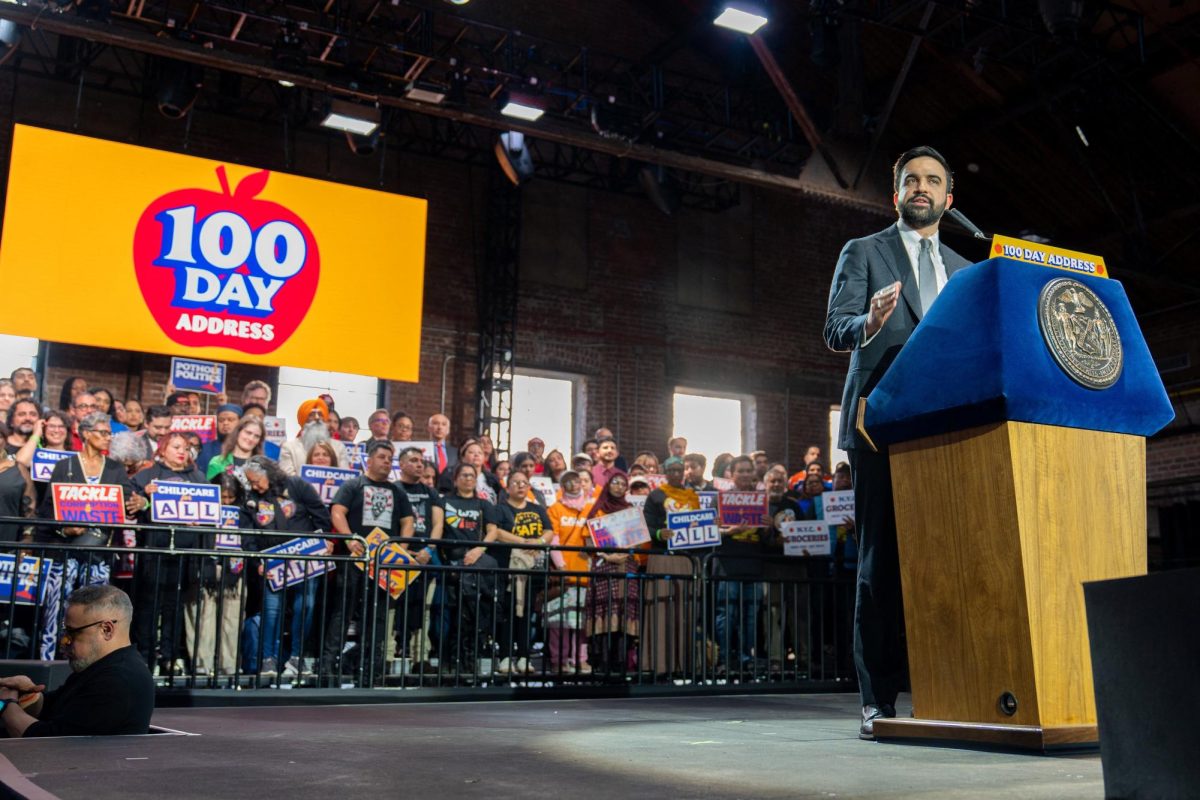
This is not the first time Democrats have attacked their candidates for appearing with Piker. During the 2025 New York City mayoral election, Andrew Cuomo attacked Zohran Mamdani’s appearance in an interview with Piker. Mamdani’s response suggests a possible approach to this problem. In response to the criticism, he drew the line on Piker’s 9/11 comment by denouncing it. Ultimately, the outcome is favorable, as he won the election with a majority of the vote. This approach allows candidates to engage with voters through appearances alongside Piker while clearly drawing a line between his inappropriate statements.
The political associations with Piker were supposed to reach voters and connect with the public. It should not be treated as a measure of a candidate’s qualifications. As communication becomes rapidly digitalized, influencers like Piker play an important role in connecting candidates with voters. When such associations are subjected to strict scrutiny, candidates are unable to reach certain audiences.