America’s promise has long been rooted in the ideals of meritocracy. For generations, those who believed in the American dream were told that through hard work and determination, they could climb to the very top of the social hierarchy, provided they possessed the competence and skill required.
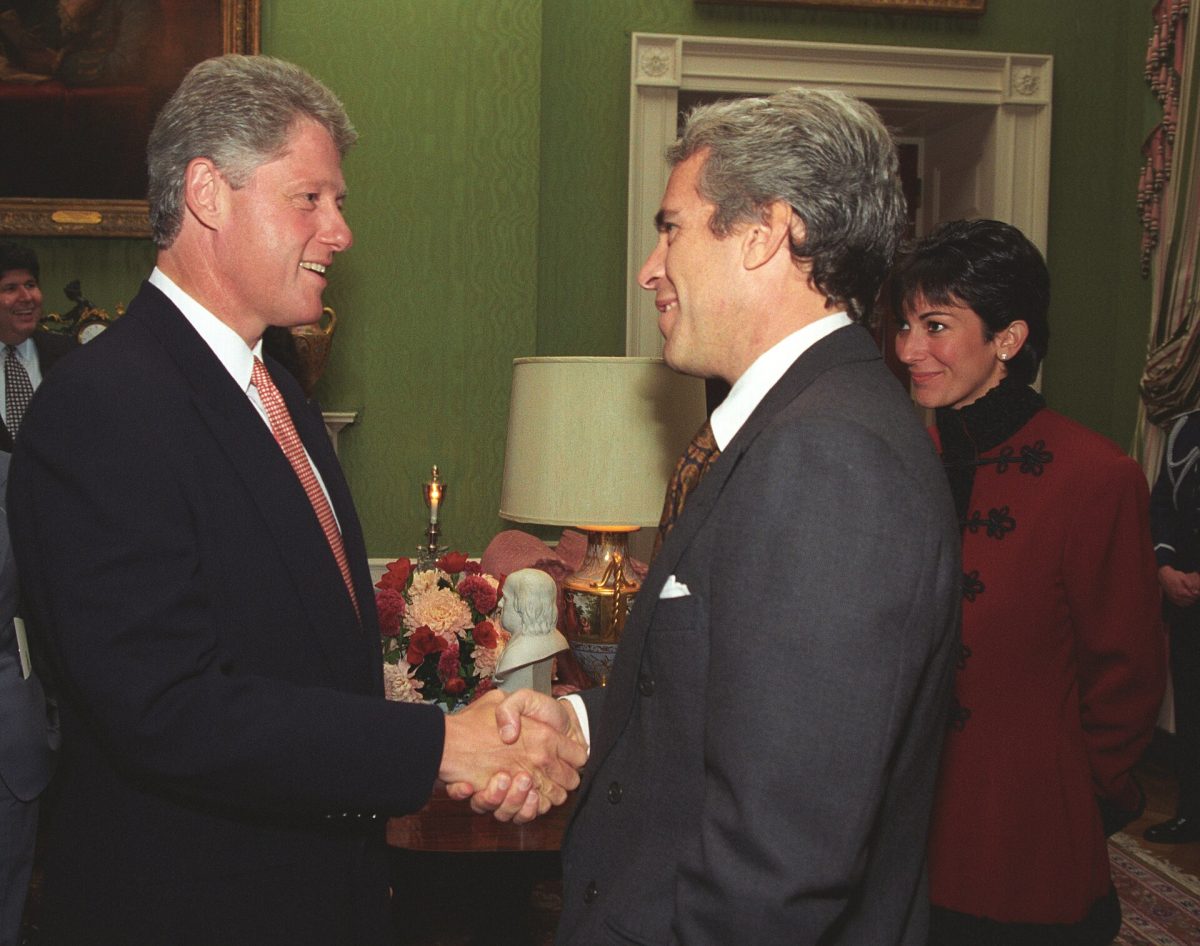
Yet reality tells a different story. Recent revelations from the investigative documents regarding Jeffrey Epstein illustrate how far this promise is removed from actual practice. In February 2026, disclosed files revealed that Kathryn Ruemmler, former Goldman Sachs chief legal officer, had sought advice from Epstein while pursuing a top legal position at Facebook between June 2018 and 2019. Though Ruemmler ultimately did not secure the role, the email chains uncovered during investigations exposed Jeffrey Epstein trying to lobby on her behalf by reaching out to Larry Summers, former U.S. treasury secretary and 27th president of Harvard University, requesting his support in persuading then-Facebook COO Sheryl Sandberg.
This correspondence offers a revealing glimpse into how American elitism operates. Rather than the merit-based system we’re promised, what emerges is an exclusive club built on intricate webs of personal relationships and influence peddling. In this reality, qualifications and ability often take a backseat to connections and access, a system that stands in stark contradiction to the meritocratic ideals that form the foundation of the American dream we have been taught to believe in.
By simply asking for a referral or help from a position in power, American elites can place whomever they want into a position. This hierarchical power makes them “cheaters” in what is painted as a fair and ability-based pursuit of livelihoods to the rest of the American people. What is even more revealing is the fact that American elites—whether they be major heads of corporations, political figures, or leaders in education— are all somewhat interconnected.
Modern elites have exercised their power secretively by controlling key institutional positions, wealth, and organizations capable of influencing policy changes. 87.5% of the Fortune 500 companies are linked to each other, and high-tech and military companies have deep ties with each other through deals driven by intermediaries and subcontractors. This elite alliance functions as a private network: when they want to push for a political agenda, ask for favors, or even focus on a potential political mandate, a few phone calls can make it happen.
The elite also maintain social cohesion through exclusivity. Most notably, private social clubs like the “Bohemian Grove” provide a snapshot of American hierarchy. The club hosts social parties for corporate leaders, celebrities, and government officials for leisure. These parties provide grounds for the American elite to exchange, enlarge, and strengthen their social capital.
Elites also exert control with important policy institutions shaping U.S. ideological doctrines. In a study presenting findings about the American power structure based on the connections among 2,563 corporations, 6 business leadership and policy-discussion groups, 33 prominent think tanks, 82 major foundations, 47 private universities with large endowments, and 19 White House advisory committees for the years 2011-2012, it was discovered that 35.2% of the individuals in the database study have connections to at least two of the organizations in the database. These connections ensure that corporate objectives align with government policy, contributing, directly or indirectly, to inequality and limited social mobility for the lower-middle class.
The extent of power possessed by American elites can even be used to shape fitting media narratives to suit their interests. Danny Schechter’s Who Rules America? recalls how, as the U.S. entered the Iraq War, reporters were removed from the air for dissenting from the decision, leaving no room for discussion and criticism of the event. This should be alarming, as it underscores the capacity of American elites to manipulate media narratives and disseminate propaganda, in direct opposition to the First Amendment’s guarantees of freedom of speech. Ironically, this aligns more closely with the phenomenon of an authoritarian regime rather than a democratic one.
While America has long celebrated meritocracy as its defining principle, the reality practiced by American elites tells a different story. Through relationship networks, exclusive social circles, and overlapping organizational collaborations, the American elite have created a protective bubble to safeguard their own interests while perpetuating the illusion of equal opportunity for the masses. In large part, access, not ability, determines the chances of advancement in contemporary America.
Until Americans fully recognize and challenge this phenomenon, we will continue to live in a society where unchecked elite rule pulls the strings beneath the facade of democratic governance. However, there are signs of awakening, with politicians such as Alexandria Ocasio-Cortez and Zohran Mamdani rising to power, both championing adamant political positions against elite-dominated America.