On Jan. 3 of this year, the United States launched a raid on the Venezuelan capital of Caracas, resulting in the successful capture of then-President Nicolás Maduro and his wife, Cilia Flores. This success, however, was largely due to the cooperation of Trinidad & Tobago with the American Navy. This cooperation has engendered a significant episode of contention in the Caribbean, from which it has yet to recover.
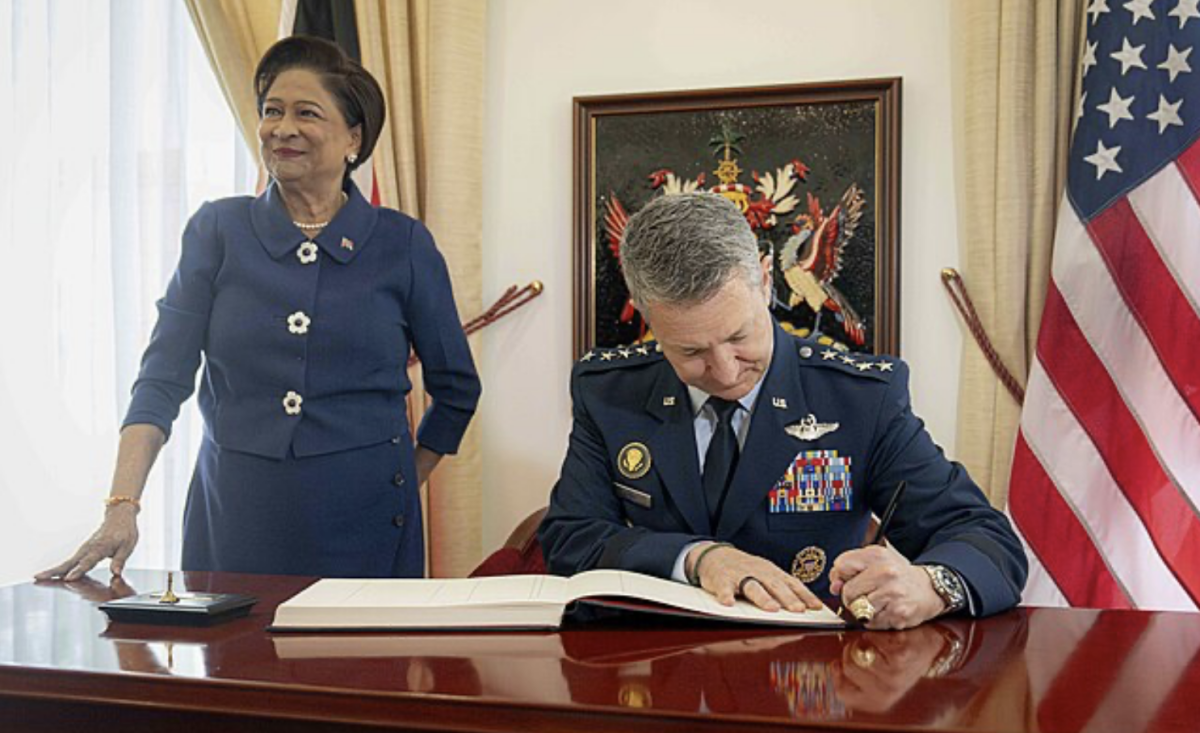
Since December 2025, Trinidad & Tobago has kept its ports open to U.S. military personnel and vessels as the United States escalated its anti-narcotrafficking operations against Venezuela. The prime minister of Trinidad & Tobago, Kamla Persad-Bissessar, gave her full endorsement to Trump’s drug policy, supporting both the U.S. military build-up in the Caribbean and the American air strikes against all supposed Venezuelan narcotraffickers.
Trinidad & Tobago is one of 15 member states within CARICOM, a regional political organization that exists for the purposes of economic integration, foreign policy coordination, human and social development, and regional security across the Caribbean. Despite this, Persad-Bissessar made the decision to support and facilitate the American military without collective oversight from CARICOM, establishing herself as an outlier among other CARICOM national leaders.
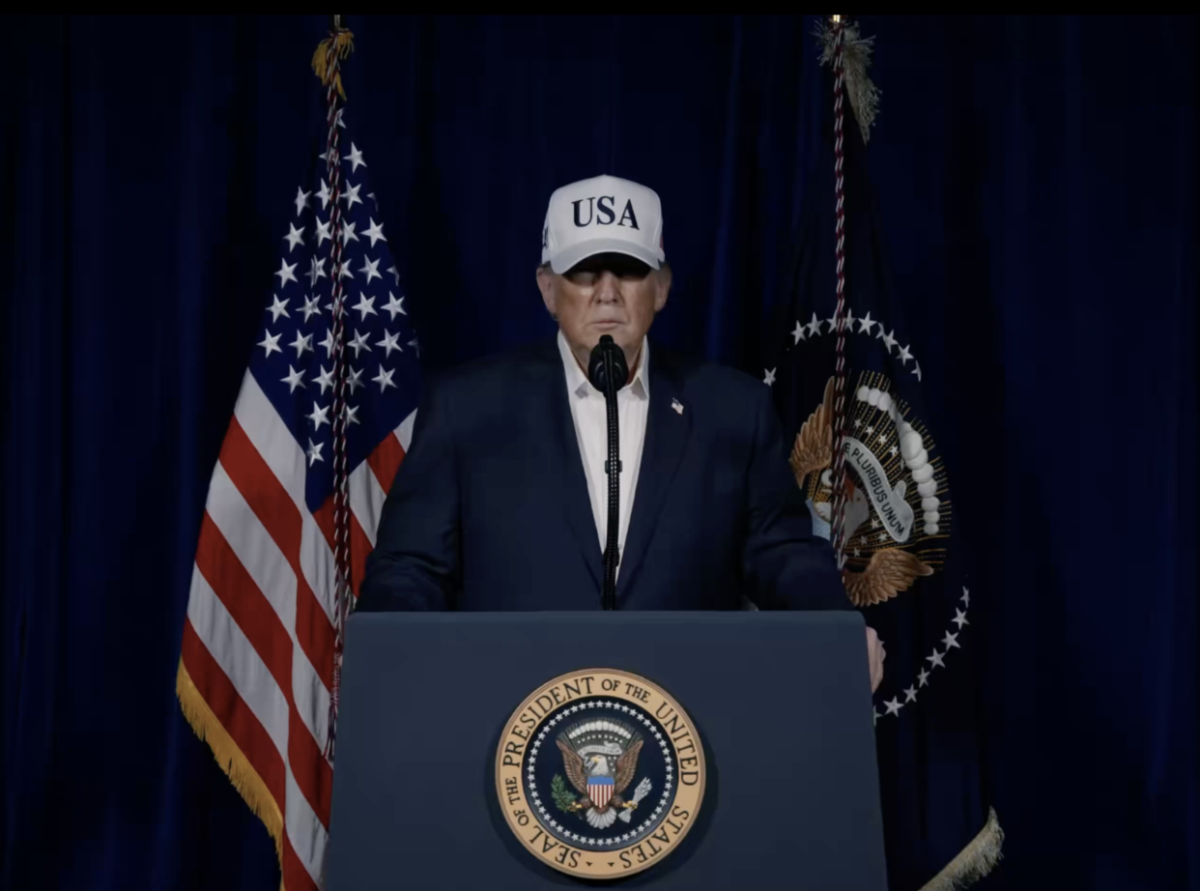
In his State of the Union address, Trump stated that his administration is “restoring American security and dominance in the Western Hemisphere, acting to secure our national interests and defend our country from violence, drugs, terrorism and foreign interference.” Various Caribbean leaders see Trump’s statements as dangerous and threatening to their national sovereignties. When asked to facilitate construction of a U.S. military radar at Maurice Bishop International Airport in Grenada, similar to one already installed in Tobago, Grenadian Prime Minister Dickon Mitchell rejected the proposal, saying that its installation might even violate Grenadian domestic law. The other 13 member states of CARICOM condemned Trump’s statement.
Many Trinidadians and Tobagonians also do not support their government’s stance. In part, this is because Persad-Bissessar’s unwavering support for American policy has directly endangered citizens. The U.S. has launched missile strikes on both non-civilian and civilian vessels off the coast of Venezuela. One notable strike killed two Trinidadian citizens, Chad Joseph and Rishi Samaroo, strengthening widespread discontent with the government.
Adding fuel to the fire, Persad-Bissessar publicly disparaged other Caribbean countries under the guise of warning Trinidadians. She cautioned against criticizing the United States and its actions, or else Trinidad & Tobago would be punished like Antigua & Barbuda and Dominica. This warning was in reference to the Department of State pausing visa processing for 75 countries since January, including all Caribbean countries except Trinidad & Tobago, Guyana, Suriname, and the Dominican Republic. In response to Persad-Bissessar’s statement, the prime minister of Antigua & Barbuda characterized her claim as one that deepened internal division and weakened regional diplomacy.
The most significant diplomatic rupture, however, has occurred in Trinidad & Tobago’s relationship with Venezuela. Although not a full member state of CARICOM, Venezuela is an observer state of the federation and is closely tied economically with the Caribbean. Venezuela and Trinidad & Tobago had previously planned a joint development of maritime oil fields between the two neighboring countries, but Trinidad & Tobago’s alignment with the United States has fractured this relationship. Since last fall, Venezuela has accused Trinidad & Tobago of aiding the United States in attacks against Venezuelan possessions and citizens. With the addition of Persad-Bissessar’s unrestricted support of the American military, Venezuela has suspended many diplomatic and economic arrangements with Trinidad & Tobago, and even designated Persad-Bissessar a persona non grata.
Trinidad & Tobago’s decision to align so closely with the United States has not only isolated it within CARICOM but also destabilized its regional diplomatic and economic relationships. By prioritizing bilateral cooperation with a global power over regional solidarity, Prime Minister Persad-Bissessar has undermined the very principles of collective security and mutual respect that CARICOM was designed to uphold. The consequences of strained regional ties, domestic unrest, and the collapse of critical relations with Venezuela illustrate the risks of such policies. Moving forward, the Caribbean must determine if it can maintain unity and sovereignty in the face of renewed great-power intervention, or if divisions like this will redefine the region’s political landscape for years to come.