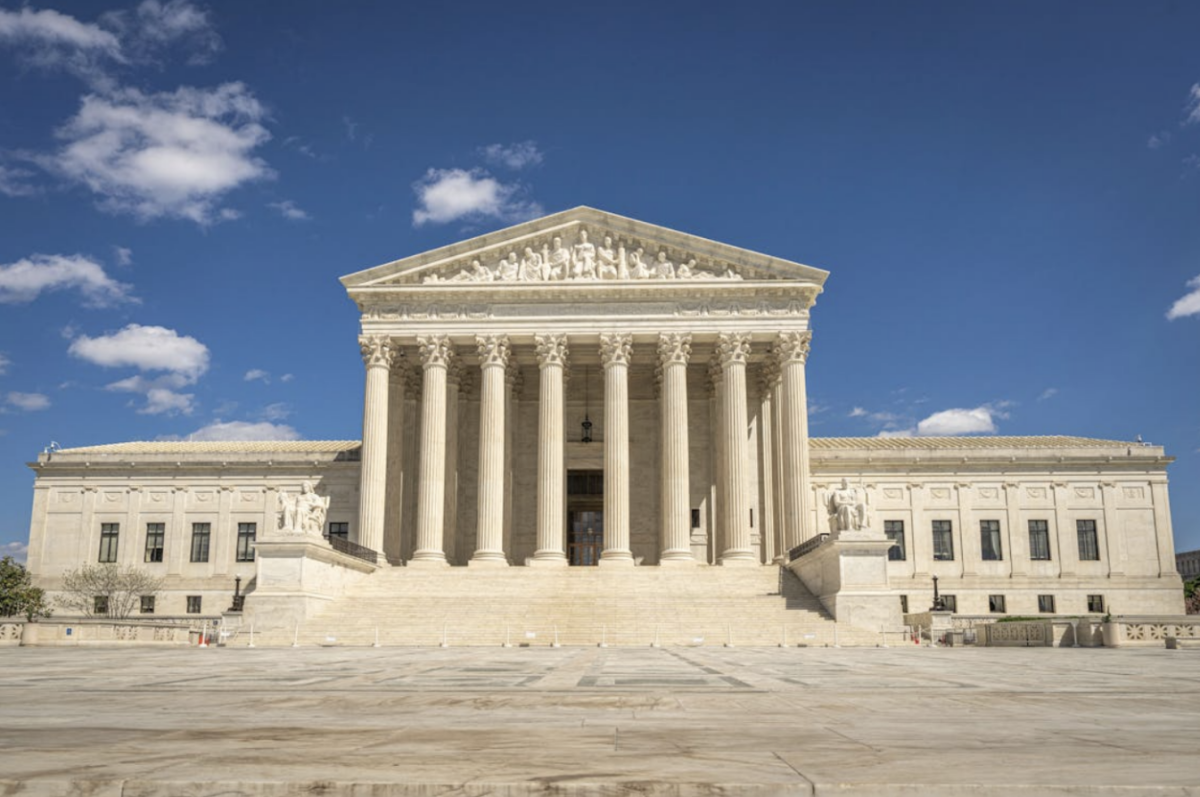
A Supreme Court case over the firing of a single Federal Trade Commission official could reshape how much control presidents have over the federal government.
In Trump v. Slaughter, the Court is weighing whether President Donald Trump had the authority to remove FTC Commissioner Rebecca Slaughter without cause. At first glance, the answer seems straightforward. A 1935 ruling, Humphrey’s Executor v. United States, allows Congress to protect leaders of independent agencies from being fired except for “inefficiency, neglect of duty, or malfeasance in office.” But the justices may be ready to revisit that precedent.
For nearly a century, Humphrey’s Executor has served as the legal foundation for independent agencies like the FTC, Securities and Exchange Commission, and National Labor Relations Board. These agencies were designed to operate with some distance from the White House, limiting direct political influence over regulatory decisions and promoting stability across presidential administrations.
That arrangement has increasingly come under pressure in recent years, as debates over the size and scope of the administrative state have moved to the center of constitutional law.
Over the past decade, the Supreme Court has shifted toward a more expansive view of presidential power, following the unitary executive theory. In Seila Law v. Consumer Financial Protection Bureau (2020) and Collins v. Yellen (2022), the Court struck down or questioned limits on the president’s ability to remove executive officials. Those decisions stopped short of overturning Humphrey’s Executor, but they reframed it as an exception rather than a rule.
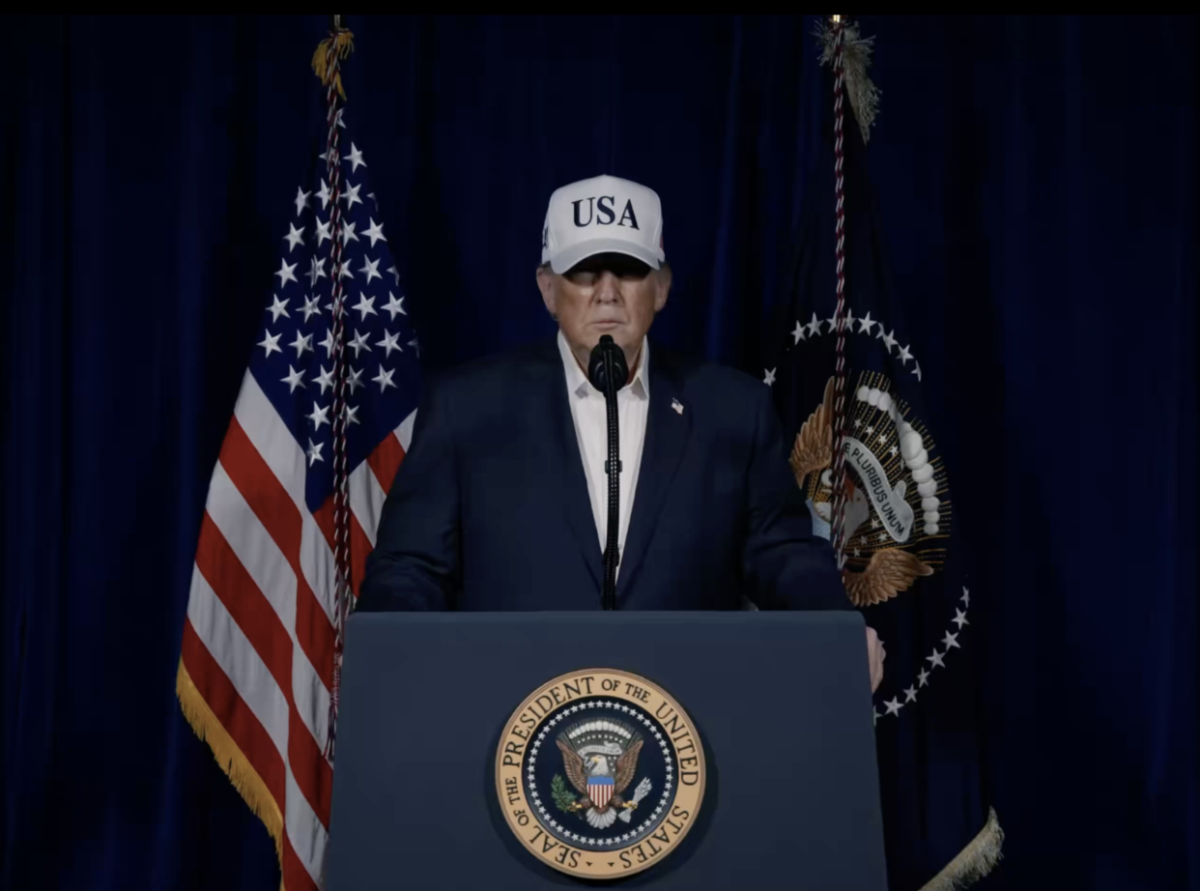
Now, Trump v. Slaughter could force the Court to confront the issue directly. The case stems from Trump’s 2025 decision to fire Slaughter, a Democratic commissioner, before the end of her term—an action she challenged as unlawful under the FTC’s removal protections.
During oral arguments, several justices expressed skepticism toward the idea that Congress can insulate agency officials from presidential control. A ruling in favor of Trump would not only affect the FTC but could also extend to other independent agencies structured around the same principle.
If the Court expands presidential removal power, future presidents could gain greater control over agencies responsible for regulating financial markets, enforcing labor laws, and overseeing competition policy. Leadership at those agencies could change more frequently—and more politically—with each administration, potentially leading to sharper policy swings.
Supporters of this shift argue that it would make agencies more democratically accountable. If regulators exercise executive power, they contend, they should ultimately answer to the president, who is elected and can be held responsible for policy outcomes.
Critics warn that removing those protections could blur the line between regulation and politics. While the push for greater presidential control is often framed as a matter of democratic accountability, it risks undermining the very purpose of independent agencies. These institutions were designed not to evade democracy, but to stabilize it by insulating complex regulatory decisions from short-term political pressure. Weakening those protections could trade consistency and expertise for volatility and partisanship. Without those safeguards, decisions about antitrust enforcement, financial oversight, or workplace protections could become more closely tied to presidential agendas.
The Court may try to avoid sweeping change by issuing a narrow ruling that applies only to the FTC. But even a limited decision could weaken the broader framework that has governed independent agencies for decades, inviting further legal challenges.
For now, Humphrey’s Executor remains intact. But the trajectory of recent cases suggests that its future is uncertain. A decision in Trump v. Slaughter, expected later this year, could mark a turning point in how the Constitution balances power between Congress and the presidency.
If the Court does move to overturn or narrow the precedent, the impact will extend far beyond a single commissioner, potentially reshaping the structure of the administrative state itself. More importantly, it would mark a shift toward a more centralized and politically responsive executive branch, raising difficult questions about whether increased presidential control comes at the cost of regulatory independence. As the Court weighs its decision, the question is not just who should run federal agencies, but how much insulation from politics those agencies should retain.