Music City is no longer the only hotspot for country music and the “cowboy lifestyle.” Last year saw an emerging affinity for country culture. Lainey Wilson’s song, “Country’s Cool Again,” says it all as more country artists enter top spots on the charts. The rise of Western culture is marked by cowboy boots and bell-bottom jeans, but does this also point to social shifts in political ideology? According to the Thermostatic Theory of Politics, extreme or intensely partisan ideology can lead the electorate to shift toward the opposing side in an attempt to mitigate polarization. Aptly, far-left beliefs in some regions may have catalyzed a fluctuation towards more conservative sectors of the identity spectrum. Conservative beliefs and country-western style have become synonymous, and there is a reason it’s being highlighted more in the media. Leading up to the last general election, country music streaming rose 23.8% in twelve months. Distinct from other genres that have also gained popularity, such as Latin or World music, Country has been part of U.S. culture since its origins in the southern states in the early 20th century. The recent traction gained by country artists can be attributed to the increasingly polarized political landscape. Considering these statistics, listenership can reflect the public’s beliefs that led to the change from a Democratic to a Republican administration.
The lifestyle exemplified by country music is most commonly associated with conservative political views. A significant portion of this connotation can be attributed to the marketing tactics of associated labels rather than to the musical style itself. Country music has always represented the wholesome pleasures of life– such as family and religion– as well as shared struggles like heartbreak or occupational hardships. This appealed to many working-class people (defined as voters without a college degree who earn less than $100,000 annually), who were previously more likely to vote Democratic based on the party’s pronounced support for social services (e.g., SNAP, TANF, Medicaid).
While the messages in country lyrics have remained the same over time, the listening demographic has shifted more towards the Republican party as they appealed to working-class concerns like job security, gun rights, and religious ideology surrounding abortion. A study conducted at Cornell University reveals that the majority of listeners of top country artists lean Republican (see Figure 1). These findings support the connection between Republican identity and music listening habits, which sparks the question: Can the recent increase in country music streaming be attributed to an emerging prevalence of conservatism in the electorate?
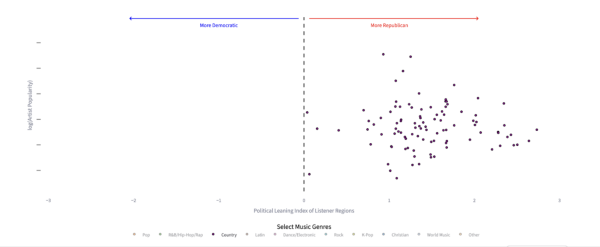
(Figure 1: Metrics for the Top 1,000 Musical Artists in the U.S. from Cornell)
In the midst of the current administration, it is necessary to examine the factors that have shaped the current political framework and attempt to predict future policy actions. Since 1988, when observing both major parties, Democrats have consistently held a slight edge in support. After 2021, however, more independent voters have started to lean Republican by up to two percentage points. Increasing polarization, along with changes in party nominees during the previous election, helped President Trump garner more support, even in light of his 2020 defeat. The Thermostatic Theory can be applied to the new demographics who turned out for the Republican candidate. Approaching the transition of administrations, Joe Biden received his lowest approval rating. A possible reason for the increased Republican support is dissatisfaction with the previous Democratic administration. Citizens who had not voted in previous elections turned out in droves, especially various minority ethnic groups and those with strong religious beliefs. During the same time, country music listenership nearly doubled. Just as new demographics emerged in the election, they also began to gravitate toward country records.
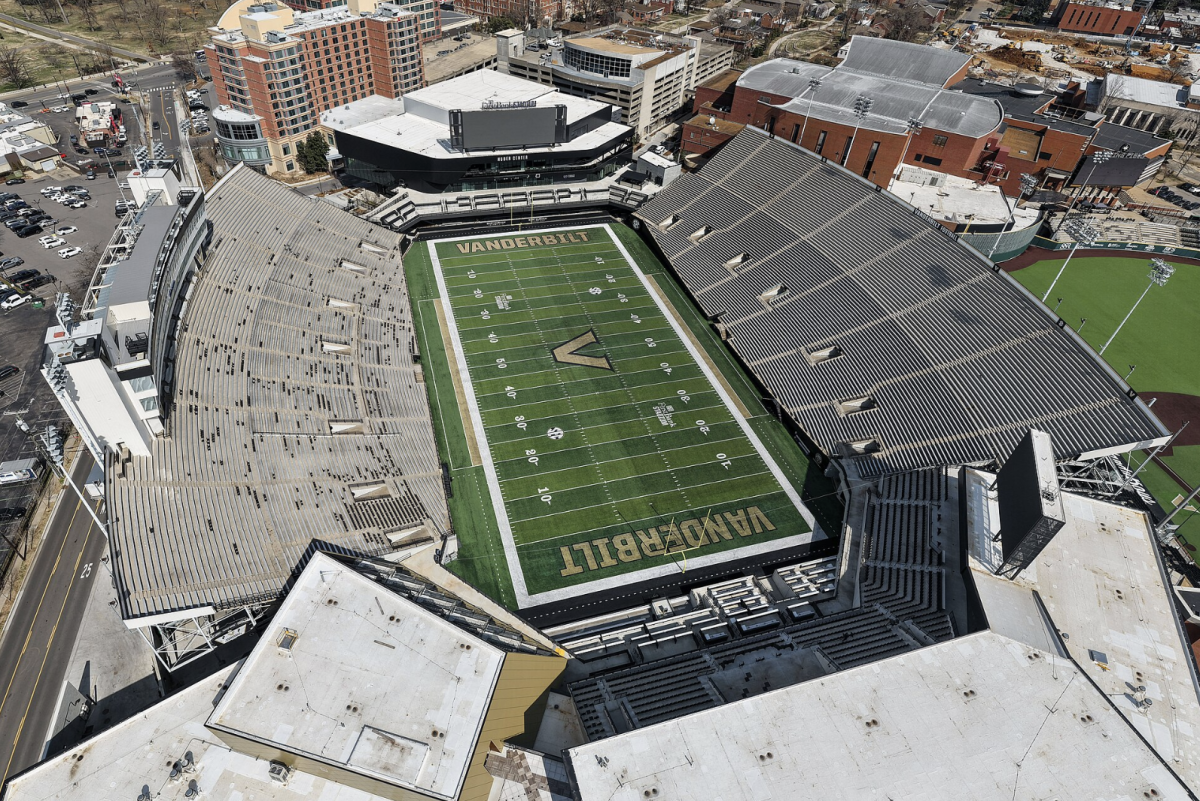
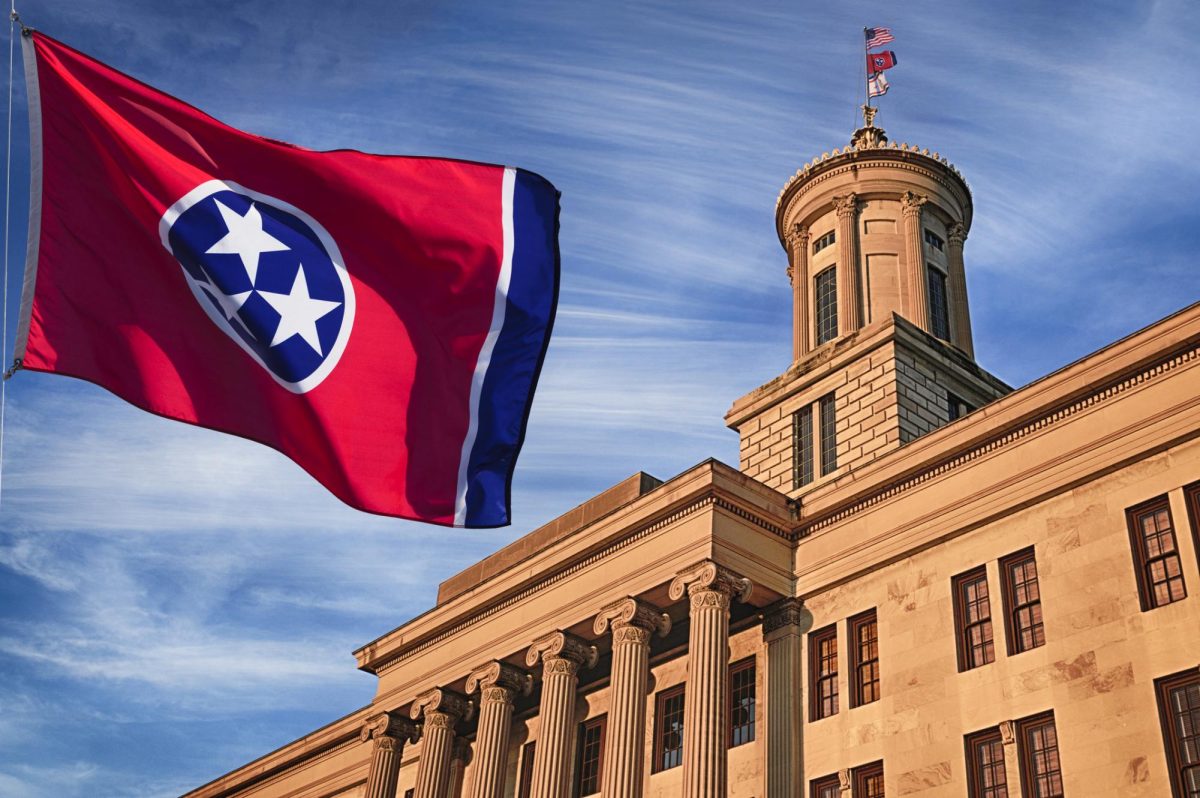
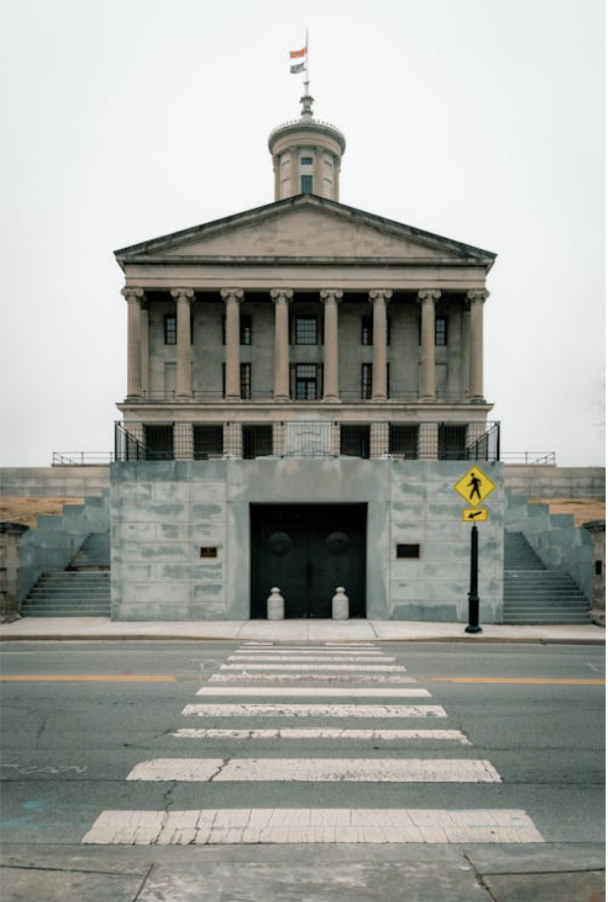
Living in the epicenter of country music, Vanderbilt is precariously positioned between its role as a liberal arts institution in Democratic-leaning Davidson County and as a landmark of Republican-leaning Tennessee. The overarching shifts in party identification impact the outcomes of various elections, especially those yet to be held. Recently, the Billboard Hot 100 charts have included country artists like Ella Langley, Morgan Wallen, Megan Moroney, Cody Johnson, Riley Green, Luke Combs, and Jason Aldean – making 2025 the first year country artists have led the charts at this rate since 1993. Country music listenership and party identification have become more strongly associated statistically over the past two years. While we cannot be certain of causality in either direction for these variables, the data suggest correlation, which warrants scrutiny of their determinants to better understand the political climate.