Youth turnout surged in the last two election cycles, and local officials around the country are starting to take notice. While national politics gets most of the attention, the real story is happening closer to home: young voters are quietly reshaping local governments in ways that could transform how cities allocate resources, run schools, and plan for the future.
For decades, political scientists documented low turnout among voters under 30. But new data shows a shift. In the 2022 midterms, youth turnout was among the highest in decades, and early estimates suggest strong participation in recent municipal elections. Local leaders, from city councils to school boards, are recalibrating their priorities as a result.
The trend isn’t just about numbers. It’s about what young voters prioritize. Surveys show that younger Americans consistently support policies on affordable housing, public transit investment, and sustainable development. These issues directly affect their daily lives: where they can afford to live, how they commute, and whether their communities are prepared for long-term growth. Local governments wield far more authority over these problems than Congress does.
Take housing. Cities nationwide are grappling with rising rents, shortages of starter homes, and zoning codes that haven’t changed in decades. Young voters, who feel these pressures more acutely, are pushing municipalities to modernize outdated regulations. As a result, more city councils have begun to consider mixed-use zoning reforms, accessory dwelling unit allowances, and density adjustments near transit corridors.
Another example is transportation. Younger voters rely more heavily on public transit, biking, and walking than older generations. In response, local governments have accelerated projects to expand bus routes, redesign streets for pedestrian safety, and invest in greener transit fleets. These aren’t abstract ideological battles. They’re practical policy shifts that reflect the lived needs of a changing electorate.
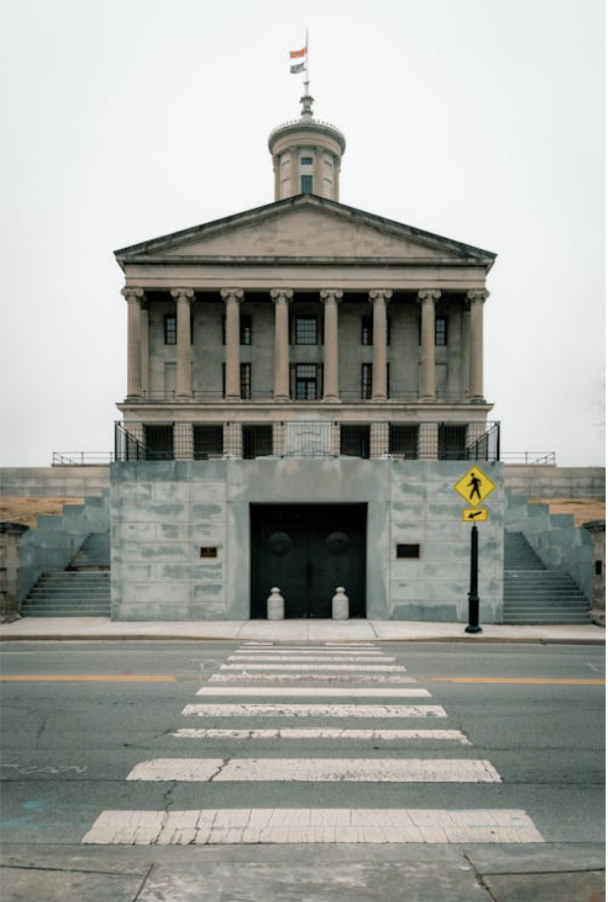
The solution is simple: local governments should actively embrace the opportunity young voters present. That means expanding civic engagement programs, offering more accessible town halls, and collaborating with local universities, like Vanderbilt, to give students a stake in shaping Nashville’s future. If young voters feel empowered, they will likely stay engaged long after graduation.
Some critics argue that young voters are too transient to influence municipal policy. After all, college students and early-career workers often move every few years. But research shows that political habits formed in youth tend to persist. If cities ignore these voters, they risk losing out on fresh ideas and long-term civic investment.
Local politics matters in ways that many first-time voters don’t realize. City councils determine transit routes. Zoning boards decide where new apartments can be built. School districts set budgets that affect families and teachers. For young people, these decisions shape the affordability and accessibility of the communities they hope to join.
As youth turnout continues to climb, the message is clear: young voters aren’t just showing up, but they are setting the agenda. Cities that listen will be better prepared for the economic and demographic shifts ahead. And young people who get involved now won’t just influence elections; they’ll help build the communities they want to live in.
The future of American politics may not be decided in Washington, but in the thousands of local elections where young voters are finally making their voices heard.