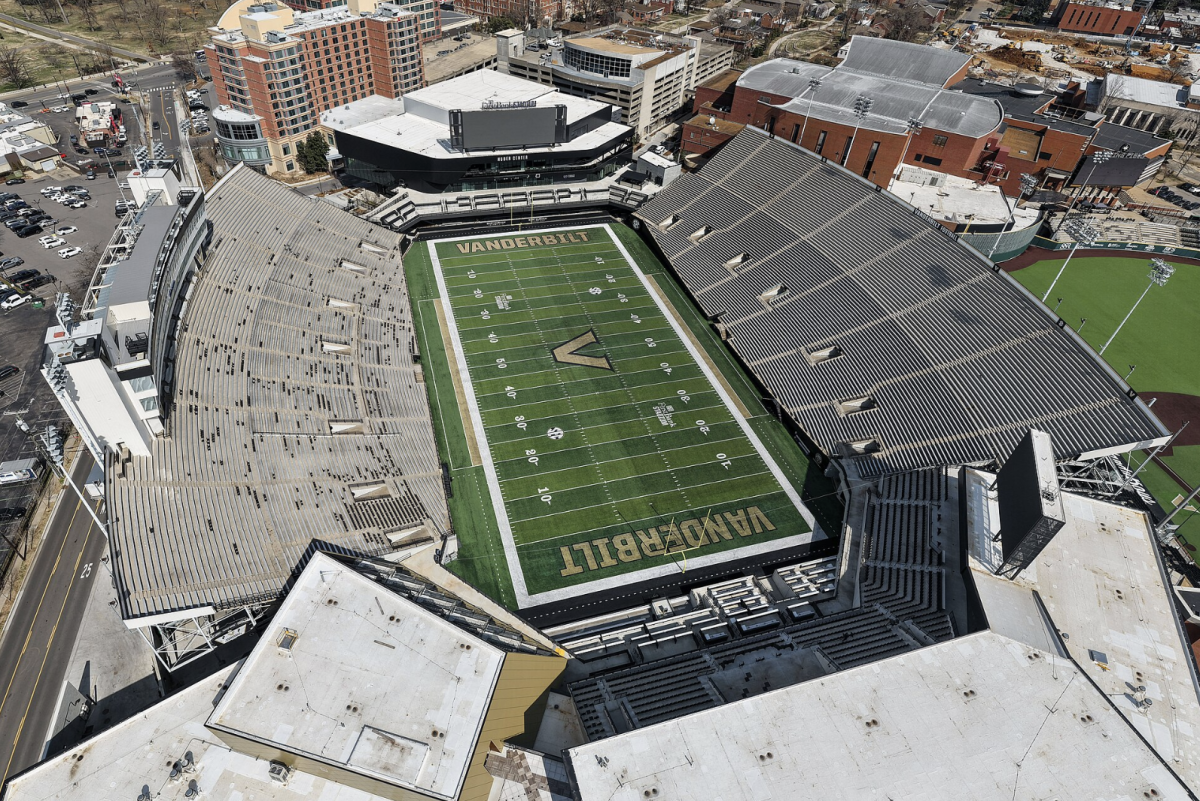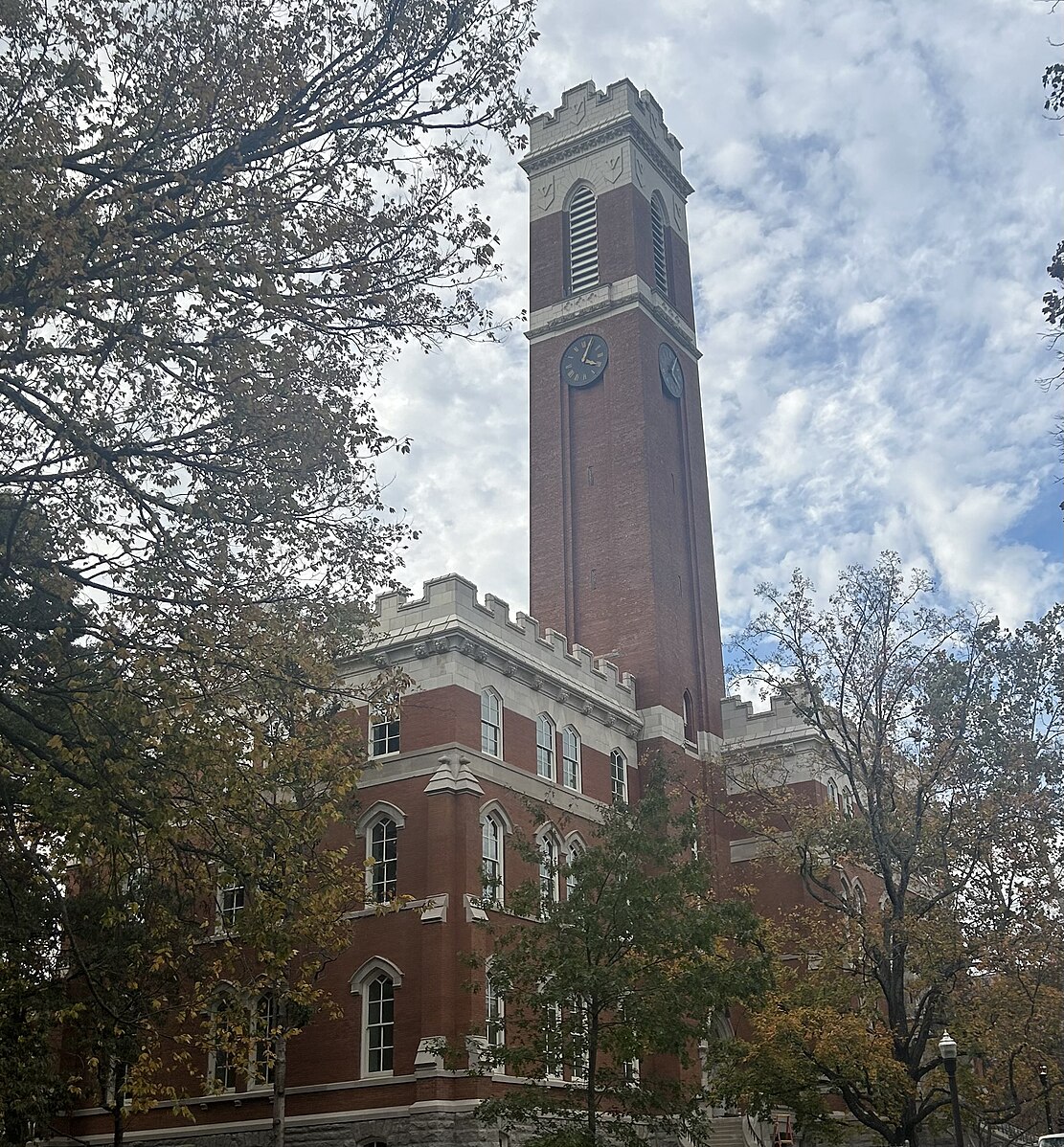
When I first arrived on Vanderbilt’s campus, I knew nothing about institutional neutrality. I had just learned about Chancellor Diermeier’s past exploits in West Germany and at UChicago, and was curious to learn more about the man whom my parents had been so excited to hear speak. After hearing Chancellor Diermeier speak twice during orientation, I became familiar with the vision he had for Vanderbilt. While I was skeptical of the viability or morality of institutional neutrality in our politically charged country, I had faith that our chancellor was a competent, reasonable leader who would serve our school well. However, this quickly changed when I attended a speech he gave over family weekend.
On September 19th, Chancellor Diermeier was honored by various Jewish student groups for his advocacy at the Lamplighter Award Ceremony. Referring to Boycott, Divest, and Sanction (BDS), a political movement that advocates for an economic protest of Israel, Chancellor Diermeier said, “The corrosive BDS movement, so alien to our academic purpose, has no place at Vanderbilt.”
In 2022, Diermeier had previously taken a stance against divestment from fossil fuels. He argued that opposing divestment actually empowers student debate by preventing the use of university money to support political stances. However, in declaring opposition to divestment from fossil fuels and Israel, Diermeier made distinctly partisan statements. Such political stances directly support the status quo of continued fossil fuel use and the continued financial support of Israel, therefore supporting a partisan position and contradicting institutional neutrality. Additionally, as Chancellor Diermeier himself clarified, when representatives of the university take political stances not directly pertaining to the vital functioning of the college, they act in violation of institutional neutrality. Dismissing debate over various forms of divestment does not seem vital to the functioning of the university, and Diermeier has yet to argue that it is. Considering his position of influence as chancellor, Diermeier should know that any political opinion he expresses has the effect of appearing as an official university endorsement of a political stance. If the chancellor truly wanted to promote open debate among students, he would not have declared opposition to divestment. Instead, by choosing a side, his statements effectively closed all debate the second he decided to weigh in. The chancellor’s partisan language indicates that he is more than willing to discard our college’s values of political neutrality to appeal to his audience.
Perhaps the most concerning of those audiences is President Trump. As an institution that refused to sign on to Harvard’s lawsuit pushing for the continued independence of higher education from politics, Vanderbilt has quickly drawn attention from the Trump Administration. Recently, Vanderbilt became one of nine schools to receive the Compact for Academic Excellence in Higher Education from the Trump Administration, which, if signed, would grant significant government control over university hiring and admissions practices and would almost certainly restrict free speech.
Being one of only two schools that refused to reject the compact, Vanderbilt has neglected its duty to protect its students and instead has exhibited interest in negotiating with the Trump Administration. Even after 84% of Vanderbilt students voted to reject the compact, the university opted to disregard their vote and instead shifted the debate over the compact to one of arbitration rather than one of simple acceptance or rejection. Uncertainty remains regarding whether the compact will be signed and what the negotiations with the Trump Administration entail. Regardless of the eventual outcome, Chancellor Diermeier has failed to take a clear stand against authoritarianism and instead leaves the university vulnerable to censorship and partisan politics, the very things that he disapproves of.
In his stated aim of protecting free speech, which in many ways has seemed to selectively favor the conservative voices currently in charge, Diermeier is paving an unsavory future of partisan bias for Vanderbilt. Institutional neutrality, neutral in name only, has appeared to be used opportunistically rather than consistently. Chancellor Diermeier needs to practice what he preaches, and if he wants to unleash the Trump administration on his students while taking political stances of his own, then he should call it what it is: institutional partiality.