“I was a crazy liberal for many years!” former New York Governor Andrew Cuomo insisted as he leaned back in an armchair while speaking on a podcast. As he extolled his once-radical accomplishments, from codifying marriage equality to enacting paid family leave, he appeared exasperated by the public’s amnesia. “Now, they call me a moderate. I didn’t change – the planet shifted!”
Cuomo’s remarks came amidst his last-ditch attempt to salvage the scraps of his political career by winning the New York City mayor’s race. But even during the final weeks of the election, Cuomo remained willfully ignorant of how drastically the perception of his legacy evolved in just a few years. The very pride that once drove his successes would eventually precipitate the deterioration of his legacy.
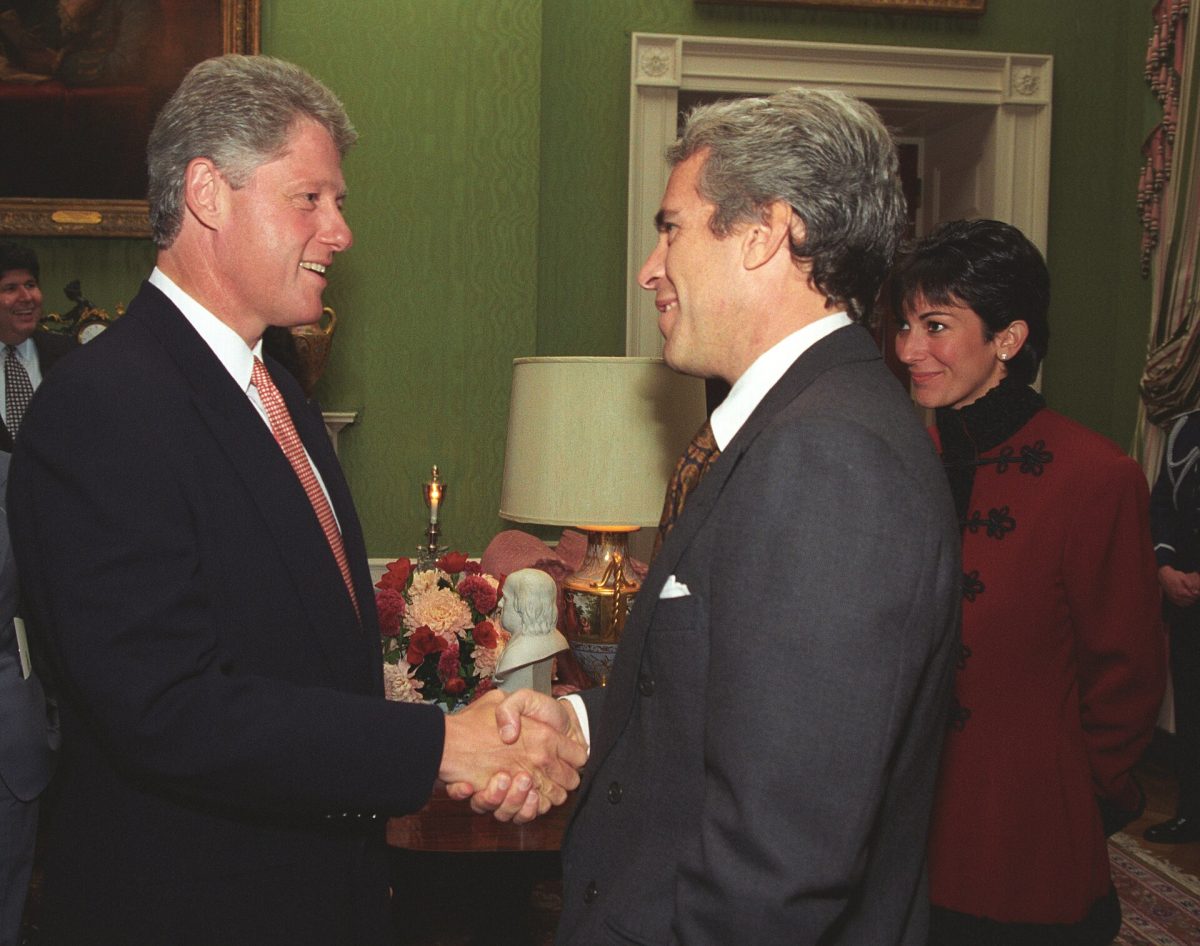
Few politicians start their careers being dealt as lucky a hand as Cuomo. His father, former Governor Mario Cuomo, was a prominent figure in New York politics for several decades, providing immediate widespread name recognition to succeed in the state’s political sphere. Leveraging this advantage, as well as his experience serving as former President Clinton’s HUD Secretary and New York’s Attorney General, Cuomo became governor in 2011.
For a while, the deck seemed stacked in Cuomo’s favor. He would go on to serve almost three full terms as governor, building a strong resume by raising the minimum wage to $15, passing some of the strictest gun control laws in the nation, and enacting substantial infrastructure projects. During the early days of the pandemic, he was celebrated for his pandemic response, with celebrities even branding themselves “Cuomosexuals” in admiration. Given his sky-high approval rating at the time, many desired for Cuomo to consider an eleventh-hour presidential run.
But the Cuomo story does not end on this high note. In fact, it was just beginning.
Cuomo’s winning streak abruptly ended in 2021 after sexual harassment allegations against him came to light. With impeachment looming and his political capital declining, he resigned from the governorship in an arguably strategic move to solidify a positive sliver of his legacy.
This March, unable to resist the beckoning call to return to the political poker table, Cuomo announced that he was running to become New York City’s next mayor. Cuomo’s return signaled not only a gamble to revive his political career, but a bet on voters overlooking his scandals and longing for his glory days. This comeback attempt could have built upon the remaining positive scraps of his legacy, proving that his fall several years ago was merely the result of being dealt a bad hand. But after running a complacent campaign premised on his inevitability rather than vision, he shockingly lost the primary election, squandering his once front-runner standing.
Instead of calling it quits, Cuomo decided to play double or nothing: he would plow forward to the general election by running as an independent. The need for him to run outside of the Democratic Party underscored how isolated he had become, and how drastically his final gamble had already failed. Further, his need to dodge zingers in the general election like “If you’re under 30, Cuomo’s always flirty” only reminded the public of the very reason he is no longer in government.
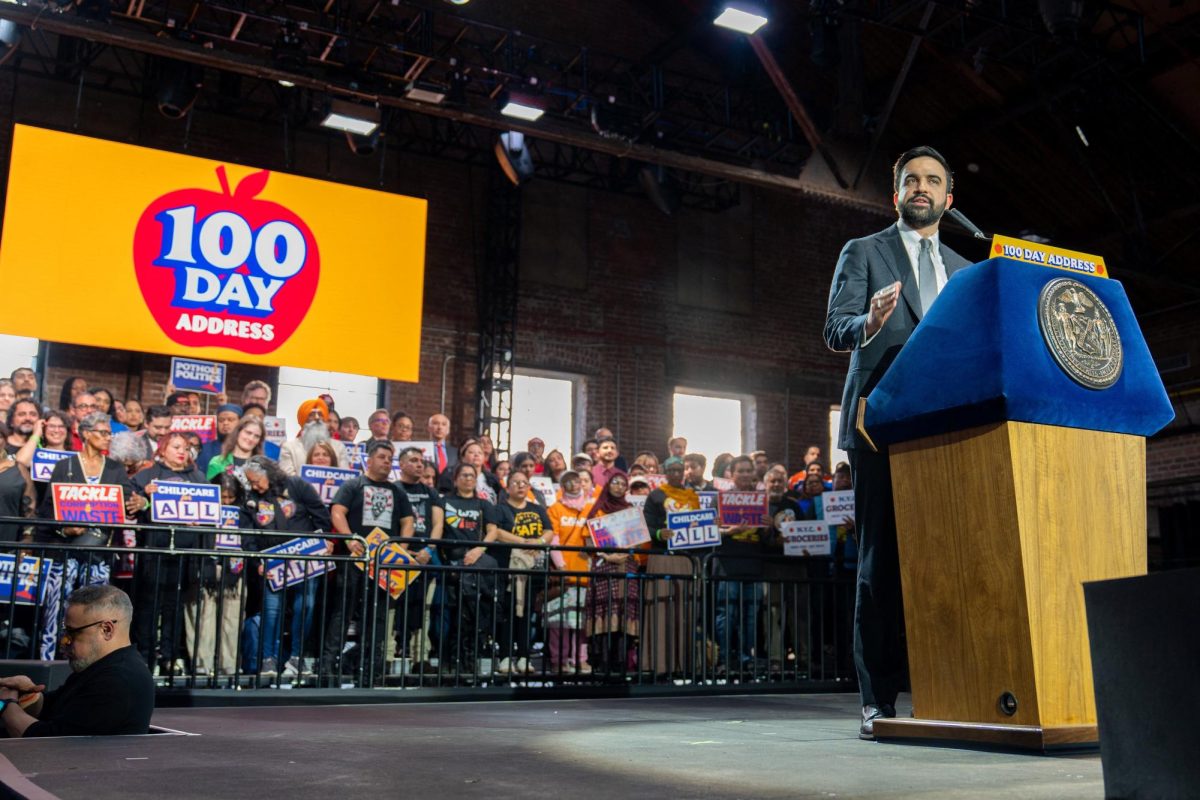
As Cuomo’s elevator pitch increasingly revolved around the notion that he knows “how to make government work,” his opponents, including now-Mayor-Elect Zohran Mamdani, channeled the public’s frustrations into a criticism of that experience, arguing that the dreary status quo was actually a result of his legacy. The experience that was once the biggest asset to Cuomo soon became a liability, casting him as part of the establishment that failed New Yorkers.
There was once a time where Cuomo’s legacy of pragmatic progressivism served as a model for effective Democratic governance that could deliver results. But the defeat of Cuomo in this mayor’s race marks an anticlimactic end to his career in the political casino. In it, he wagered his last chips on a failed gambit that only further tainted his legacy rather than restored it.
The demise of Cuomo’s political reign was not the result of him being dealt a bad hand, but was instead the culmination of arrogance pushing him to overstay his time in the game. Cuomo’s final hand reveals an important lesson: even the most experienced players cannot escape the consequences of their own pride and hubris. Politics rewards those who know when to walk away and know when to run.