Americans have shown increased civic knowledge over the past few years. This heightened awareness makes sense considering that Americans have recently experienced highly consequential elections, strong displays of executive power, and the creation and overturning of landmark Supreme Court cases. Consequently, media outlets have highlighted these stories of historical events in our government, and a deeper knowledge of civics has now become a prerequisite to understanding these history-altering events.
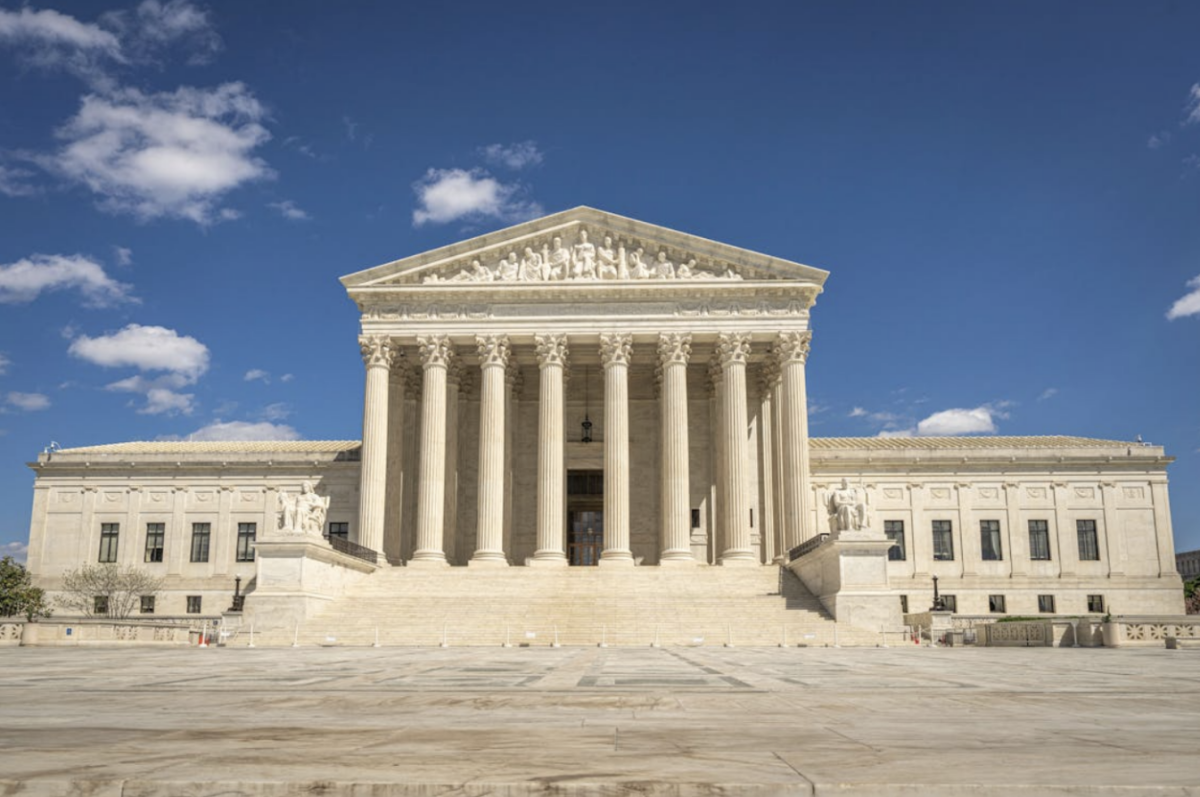
This increased civic knowledge has also made people more aware of the judicial branch than ever, and, subsequently, has diminished their approval of it. The Supreme Court’s favorability has declined by 22 percent since 2020. The Framers created the judicial branch to be an impartial and longstanding group of minds who act as a check on the revolving personnel of the legislative and executive branches. The Supreme Court has thus never experienced the persistent salience experienced by the other branches of government. However, the politically polarized America of today forces the Supreme Court to face public concerns of illegitimacy.
2022 saw the controversial overturning of Roe v. Wade. In 2023, affirmative action was ended, condemned by many. And just last year, President Trump was granted broad immunity for crimes, ambiguously, done in an “official capacity.” These court cases weren’t the first to incite public disapproval. From the 1857 Dred Scott v. Sanford decision racially restricting citizenship, to the 1944 Korematsu v. United States decision protecting Japanese internment camps, America isn’t new to experiencing controversial court decisions. However, today’s Supreme Court is arguably facing constant backlash because of the recent increase of civic knowledge coupled with the frequency of monumental cases.
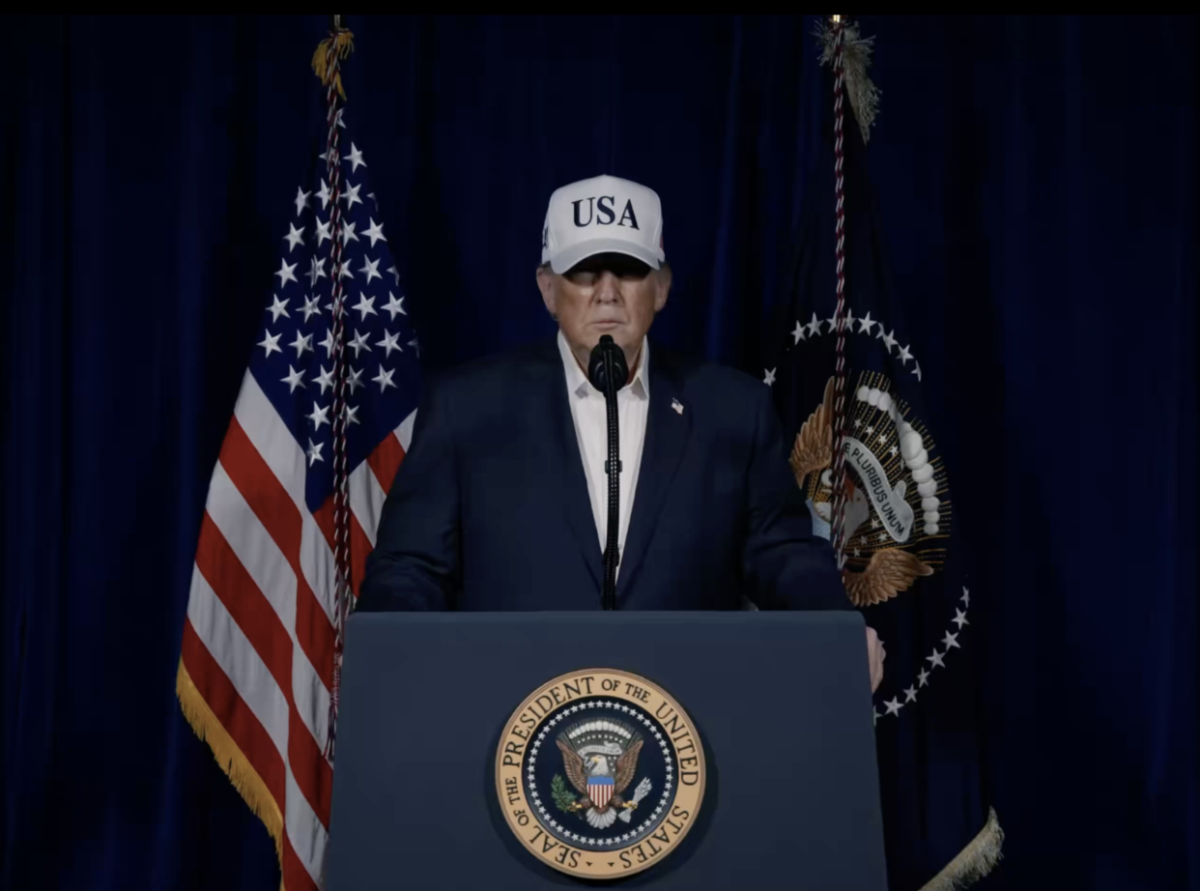
The recent actions of the Supreme Court are certainly not the only monumental events in America. Just this year, the United States has faced an onslaught of executive orders, with President Trump’s executive orders in the first 100 days of his second term totaling more than any other president in history during this same period. The American public have responded with widespread opposition to this, viewing it as an abuse of power.
Despite such fears of executive overreach, the Constitution equips the American government with checks and balances to stifle such actions. The Supreme Court is supposed to be one of those checks, but this fact has been a key motivation for the public’s dissent against this institution. President Trump, through judicial appointments, has had direct responsibility for the formation of the present conservative voting bloc in the Supreme Court. Political scientists have identified how this conservative bloc of justices have continuously ruled in favor of President Trump. Thus, in addition to the recent society-changing court cases, there is a growing perception amongst Americans that the courts are acting at the behest of the president.
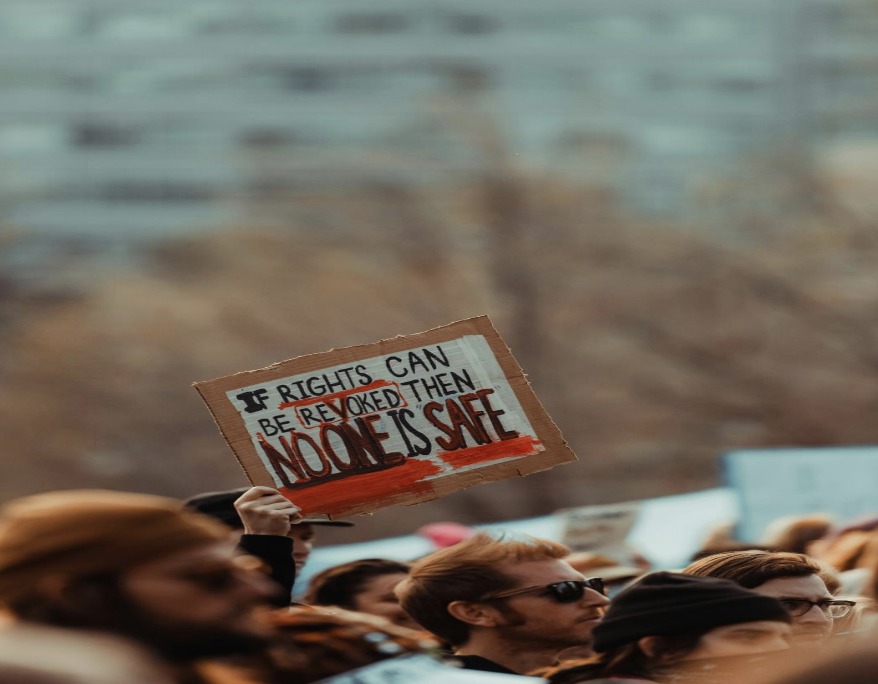
As public consciousness of our government’s actions grows, criticisms are likely to arise. This effect makes sense with Congress and the President because they are elected officials, but for the Supreme Court, it is troublesome for the court’s impartiality. Justices are vested with the unique power of molding and maintaining the law of the land and serve as the last defense against the ever-changing political landscape. The recent decline of trust in the Supreme Court invites uncertainty in that defense. The reality that more Americans are becoming aware of all facets of their government is a resource, not a detriment. Growing public outrage should act as a stimulus for our judicial system to exhibit more transparency about their rulings and to stray away from partisan alignments. Civic engagement outlines the very origin of democracy. For our nation to live up to its promise of “justice for all,” we must sufficiently address how all Americans perceive our institutions.