The 2026 World Cup will be the largest tournament in FIFA history. But as the United States prepares to host most of its matches, the event is becoming more than a celebration of sport. It is a test of whether global football can remain neutral when its success depends on the political authority of a host nation.
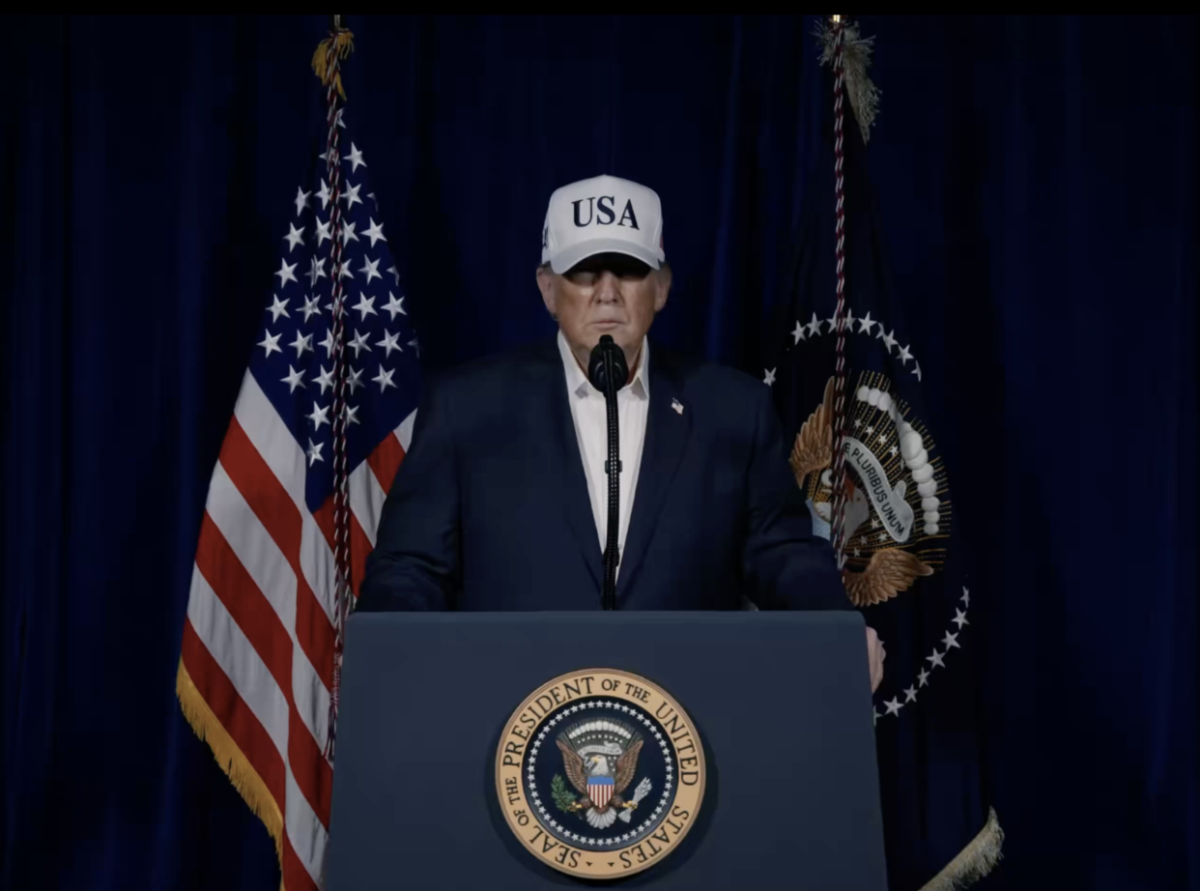
FIFA insists that football exists above politics. Yet its leadership has recently appeared alongside President Donald Trump and awarded him a newly created FIFA Peace Prize ahead of the tournament. FIFA may frame those gestures as diplomatic engagement, but they complicate the organization’s claim to neutrality at a moment when U.S. policy is shaping the tournament’s conditions. Former FIFA president Sepp Blatter recently criticized his successor’s approach as “submissive” and called the FIFA Peace Prize “incomprehensible.” Blatter’s own tenure ended in controversy, which included corruption investigations and a suspension from FIFA, but his remarks reflect broader unease within global football about how closely institutional leadership aligns itself with political power.
The tension extends beyond symbolism. Hosting agreements emphasize access for participating teams and accredited groups, but they do not override national immigration law — meaning entry ultimately depends on the host state’s political and legal authority. The agreements are designed to protect the tournament’s integrity by facilitating participation across borders. However, the Trump administration continues to restrict travel from several countries, including some with national teams that have qualified for the competition.
Federal officials have introduced expedited visa processes for ticket holders, but entry into the United States ultimately depends on executive enforcement decisions. When participation in a global sporting event depends on political discretion, neutrality becomes difficult to sustain in practice.
FIFA has confronted similar dilemmas before. The organization defended the 2018 World Cup in Russia and the 2022 World Cup in Qatar despite international criticism and later suspended Russian teams following the invasion of Ukraine. Those decisions demonstrated that geopolitics can influence participation in global sport. Some critics argue that powerful host nations receive less scrutiny than others. Regardless of whether that perception is justified, institutional credibility for organizations like FIFA depends on consistency.
The pattern is not new. FIFA has repeatedly partnered with politically controversial host states, arguing that engagement through sport promotes unity rather than isolation. Hosting the World Cup offers nations visibility and soft power on a global stage — the ability to shape international perception, project stability, and rebrand national identity through spectacle rather than policy. That visibility can soften criticism and elevate a country’s global standing, even when its domestic or foreign policies remain contested. The 2026 tournament underscores how that dynamic operates even when the host is a democratic superpower rather than an authoritarian regime.
The operational challenges of hosting the 2026 World Cup also extend beyond borders and contracts to logistics and security funding. Host cities across the United States have warned that they are still waiting on $625 million in congressionally approved federal security grants, and local officials testified that delays could jeopardize planning for events and public-safety operations as the tournament nears. With federal funds tied up by political disputes over the Department of Homeland Security’s budget, some cities face tough choices about how to cover policing, infrastructure, and fan-festival costs.
Economic access further complicates the picture. After backlash over soaring prices — including some World Cup Final tickets costing more than $2,000 — FIFA introduced a $60 “Supporter Entry Tier” for group-stage matches, while also implementing dynamic pricing that allows costs to fluctuate with demand. Critics argue that lottery-based access, resale commissions, and premium pricing structures risk turning the world’s most global sporting event into an experience increasingly reserved for those with the means to afford it.
Still, none of this suggests that the World Cup should be boycotted or canceled. The tournament will bring together athletes from across the globe and captivate billions of viewers. However, it is unrealistic to claim that football operates independently of politics while FIFA relies on the infrastructure and legal authority of a sovereign state.
The 2026 World Cup will showcase extraordinary athletic talent. It will also reveal how closely modern sport depends on national power. The question is no longer whether politics intersects with football, but whether the institutions that govern the game are willing to acknowledge that reality.