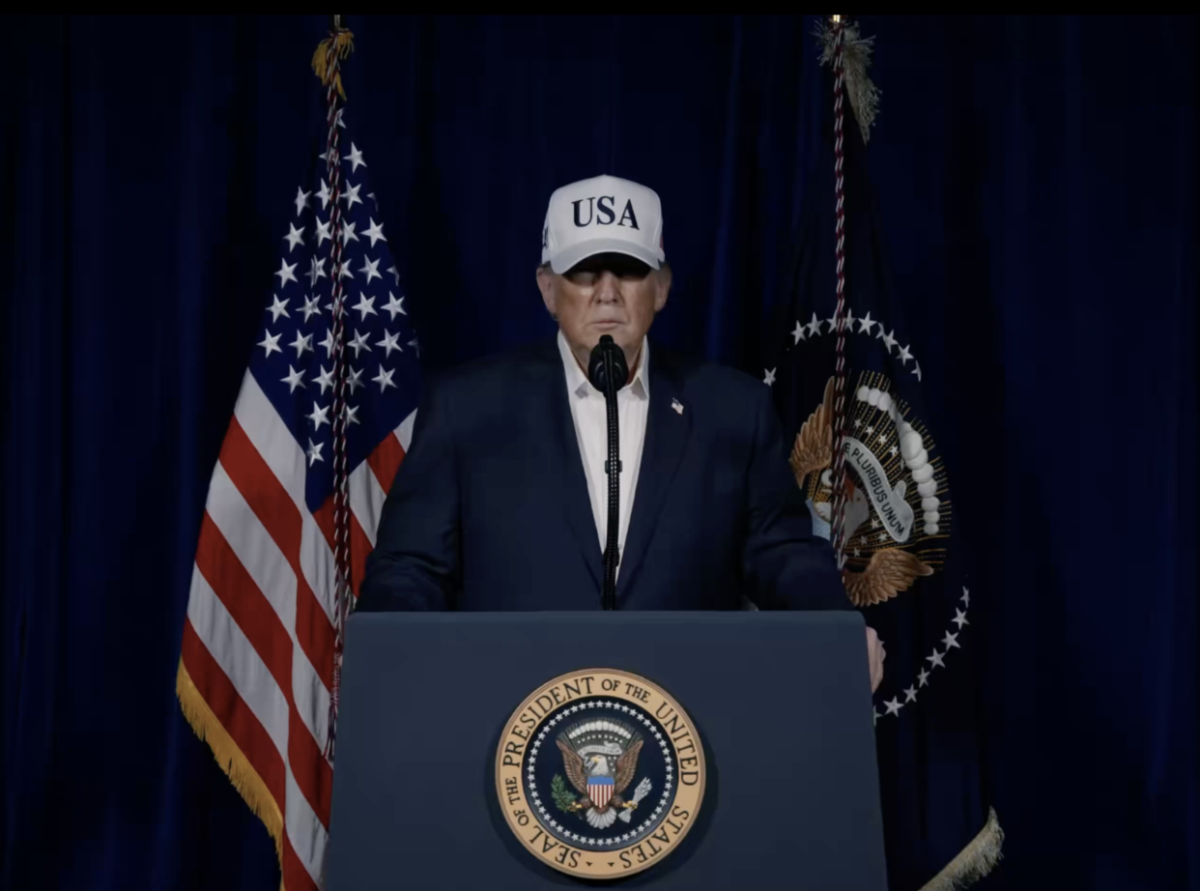
In the dead of night on January 3rd, President Donald Trump ordered the United States Armed Forces to conduct air strikes on several sites in Venezuela and abduct President Nicolás Maduro and his wife to stand trial in New York City on narcoterrorism charges. Despite the fact that Maduro’s loyal subordinates remain in power and American oil companies are loath to invest in a reconstruction of Venezuela’s energy industry, the administration views the operation as an unqualified success. Now, their focus has turned towards a more contentious objective – acquiring Greenland. The aggressive posturing and threats made towards Greenland, which is a part of the Kingdom of Denmark, do not serve Americans – rather, they damage our relations with our allies in Europe and embolden our enemies.
President Trump’s covetous approach to Greenland is not new – during his first term as president, he sought to buy the Arctic island, but his offer was firmly rebuffed by the leaders of Denmark and Greenland. Since his return to office, however, Trump has escalated to openly menacing Denmark and its allies. The administration argues that the United States is owed dominion over Greenland because its geographical location in the Arctic, especially considering the melting glaciers’ creation of new shipping lanes, demands a degree of security from Russia and China that Denmark cannot provide. The Danes, on the other hand, have stood firm in asserting their sovereignty over the island.
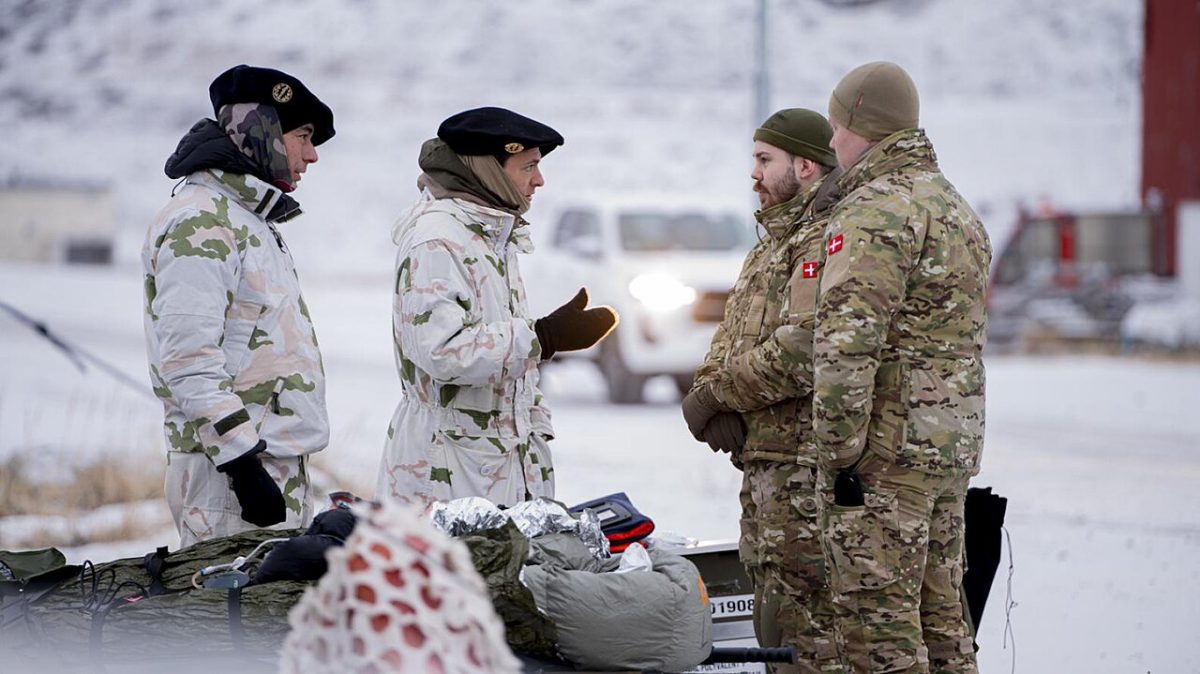
The administration’s aggression towards Denmark is unwarranted and could make the Western Hemisphere more vulnerable to foreign incursions. Denmark already allows the United States to maintain the Pituffik Space Base, which manages missile detection and space surveillance, and is free to increase its presence. Ties between the United States and Western Europe have already been strained over the past year, and yet another spate between the two major powers further erodes trust in the United States’ leadership. Other European countries, including Germany, France, and Great Britain, have sent troops to Greenland in the face of the Trump administration’s consideration of a military invasion of the island. Such an attack, however unlikely, would destroy the post-war order and render the North Atlantic Treaty Organization defunct, which would enable Russia and China to attack a weakened Europe. If the United States cannot be relied upon to aid Europe in the event of an assault from Russia or China, the costs of interstate conflict for those two aggressors are drastically lowered.
If the current conflict worsens, European leaders could decide that the United States is no longer a geopolitical ally. Although Europe cannot credibly commit to standing against the US in a military conflict, its investors could do something unthinkable – sell U.S. sovereign bonds. Such a move has been discussed as an economic doomsday weapon, as about 3.6 trillion dollars of Treasury bonds are in European hands, and their mass sale would dramatically devalue the dollar and devastate the American economy. This approach is unlikely because it would bankrupt European pension funds, and European governments cannot effectively coerce private investors to dump their bonds. However, the very discussion of this plan is a testament to the deterioration of the transatlantic relationship between Europe and the United States.
The administration should cease aggression towards Greenland. It should enter into negotiations with Denmark and Greenland and rule out military conflict and economic retaliation entirely. Every attempt should be made to salvage confidence in our alliance with Europe. Otherwise, we could find ourselves isolated from our natural allies and enabling our enemies.