For decades, American presidents have promised to broker peace in the Middle East, as if neutrality was a fixed resource the United States could never run out of. But today, that image is cracking. From shifting public opinion at home to skeptical partners abroad, Washington’s once unquestioned role as the region’s mediator is under sharper scrutiny than at any point since the peace process began. The question is no longer whether the United States wants to be a neutral mediator, but whether anyone still sees it as one.
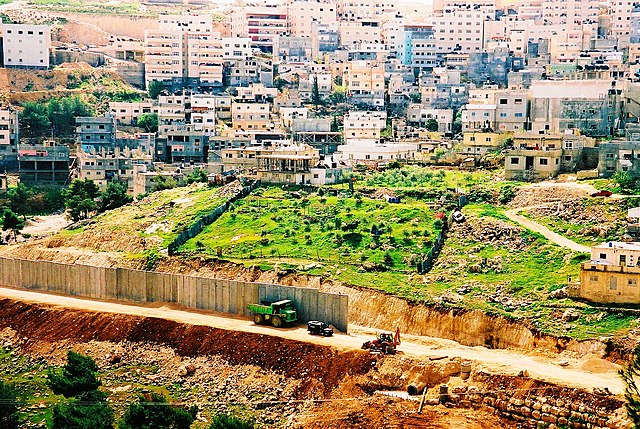
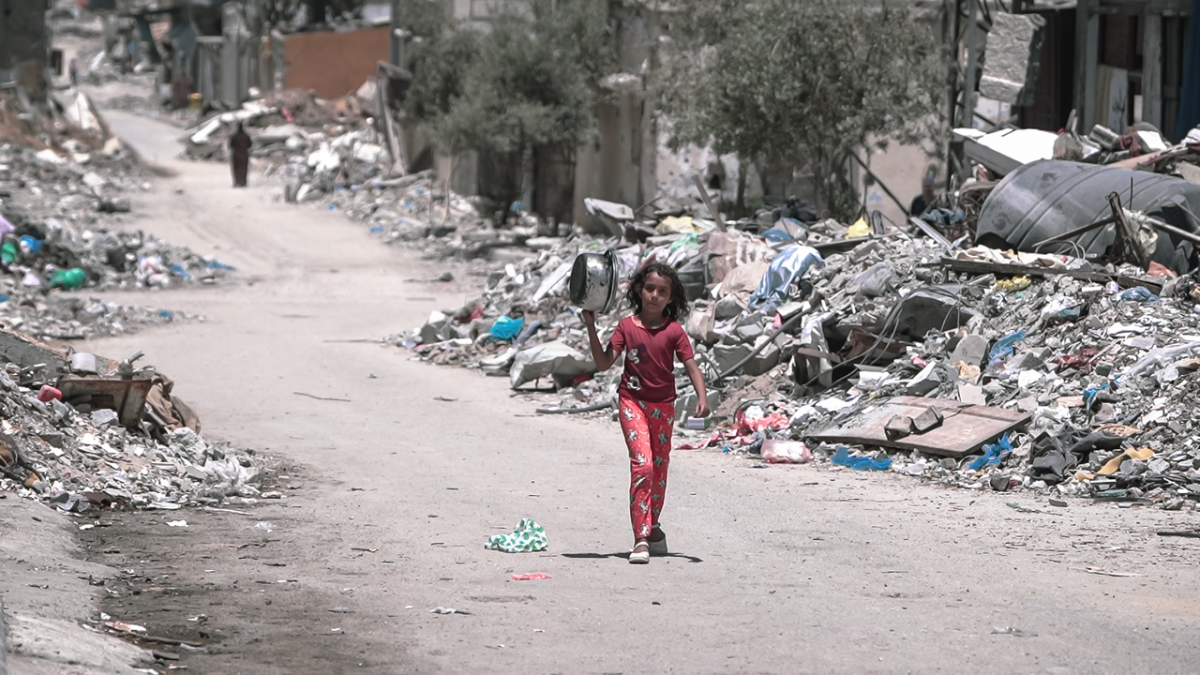
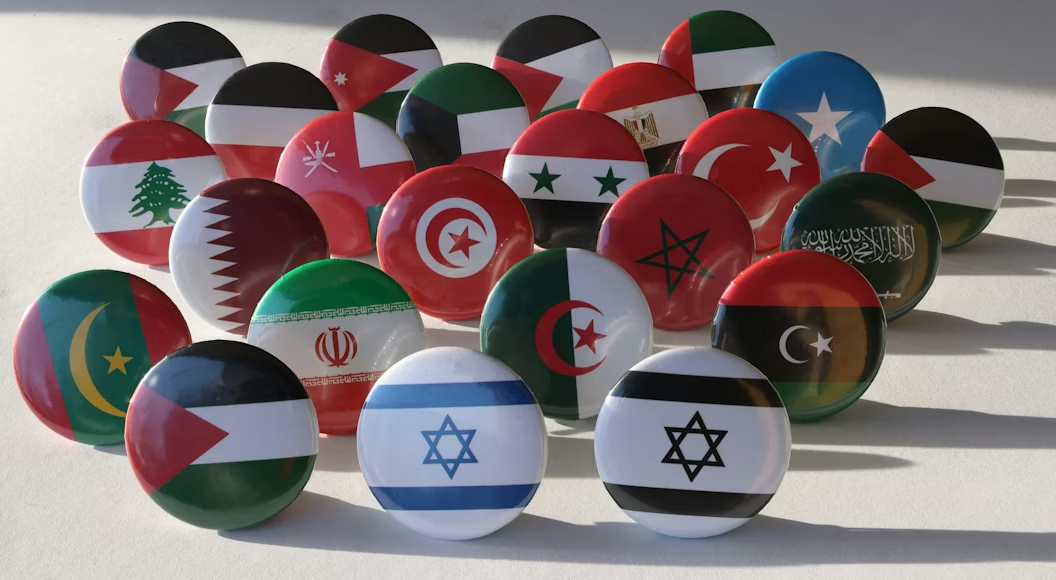
The erosion is most visible in how specific regional actors interpret American intentions in the region. Governments that have long coordinated closely with Washington, such as Jordan, Egypt, and the Palestinian Authority, regularly criticize American responses they view as one-sided during crises in Gaza or the West Bank. Jordan warned that unchecked Israeli operations, which the United States has broadly supported, destabilize the region, while Egypt, responsible for managing the Rafah crossing, expressed frustration when Washington failed to address humanitarian concerns. Even the Palestinian Authority accused the United States of sidelining Palestinian political aspirations in favor of short-term security coordination. These criticisms reflect not anti-Americanism, but a perception that Washington is unevenly invested in the region’s political future.
Meanwhile, Gulf states are recalibrating their strategy. Saudi Arabia and the UAE have expanded ties with China and pursued diplomatic ventures themselves, bypassing Washington. When China mediated the Saudi-Iran rapprochement, it signaled that alternative power brokers are viable. These governments still rely on American security guarantees but no longer assume American mediation is the only credible option.
If the United States wants to restore credibility, it must reframe its role. That does not require abandoning Israel or reducing core security commitments. It requires showing that support for an ally can coexist with principled diplomacy. Conditioning certain forms of military assistance on compliance with humanitarian and legal norms, an approach American foreign policy think tanks and policy research institutions have long recommended, would reinforce the idea that us backing a country does not equal unconditional support of it. Ignoring that leverage undermines Washington’s legitimacy.
Washington should also engage Palestinian actors beyond crisis-driven minimalism. The current focus only on security cooperation while avoiding broader political engagement convinces many Palestinians that diplomacy is transactional. Reopening political channels, supporting transparent governance, and investing in economic projects would signal that the United States views stability as more than a temporary calm.
Critics may argue that tightening expectations on Israel risks empowering hostile groups or alienating a key ally, and that Palestinian divisions make engagement difficult. But the greater risk is assuming credibility can withstand contradictions indefinitely. American influence depends less on military power than on perceived fairness. When that perception fades, so does the ability to shape outcomes.
The United States remains the only global power with durable relationships across the Israeli-Palestinian divide. That position is unique but no longer guaranteed. A mediator relying on past authority rather than principled action will find that its relevance will begin to fade. Preserving that role requires aligning actions with the neutrality Washington still claims, and the neutrality the region increasingly doubts.