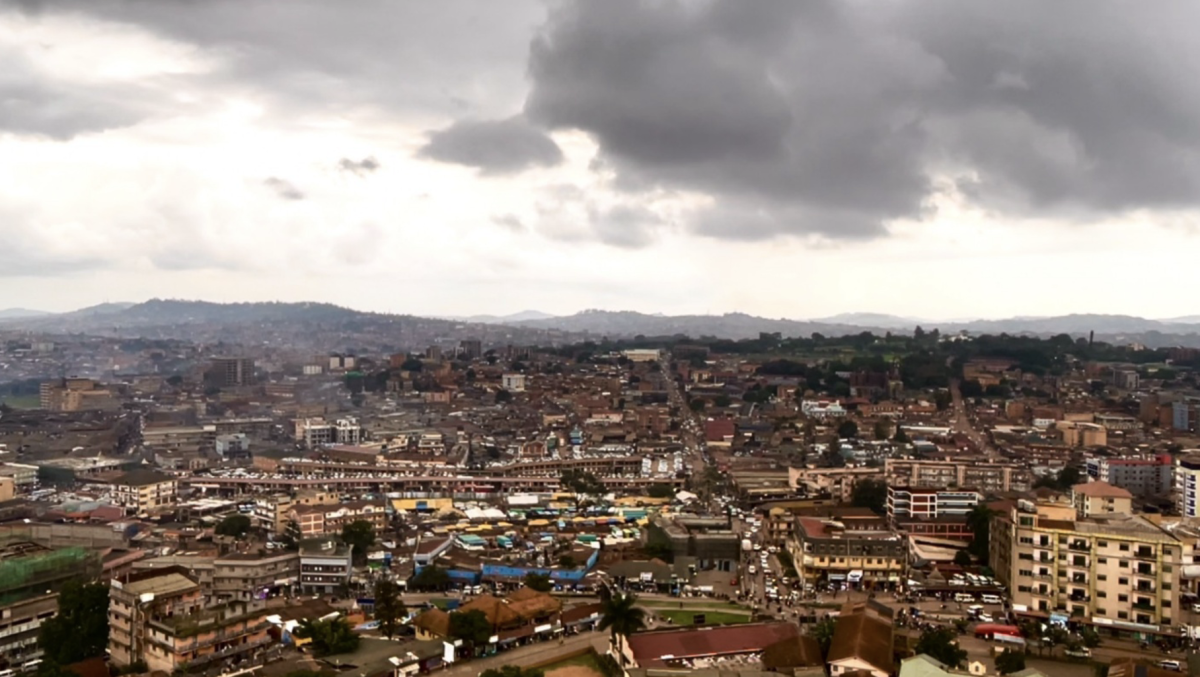
This past summer, I had the pleasure of spending five weeks with the Makarere University – Johns Hopkins University Research Collaboration (MUJHU) in Kampala, Uganda. I interviewed physicians, healthcare workers, and public health officials to understand the state of health and healthcare in Uganda, and how they relate to culture and policies. Here are some reflections from my time there.
Monkeys danced and chased each other up and down the water tanks, palm trees, slides, and seesaws in front of the Mulago Hospital nutrition clinic. I thought it was cute, then ironic, that there were monkeys playing on the playground, and not children from the ward behind me. I gave up my seat to a young mother and her infant; opting to meander under the Kampala morning drizzle until Dr. Nicolette arrived.
Dr. Nicolette, along with her resident doctors and team of nurses and medical students, heads the malnutrition clinic at Mulago Hospital, a national referral hospital. Inside, there were two rooms, each with a dozen beds, plus two smaller critical care rooms. In one of the latter, I found beanie-adorned two-year-old named Mohammed. His head seemed to me to be quite large, but it was more likely that his body was just underdeveloped and malnourished. I could clearly count his ribs with each inhale. He lay very still, whimpering dejectedly. His father told us that he has yet to walk, a clear developmental setback.
I recalled my previous weekend at Sipi Falls, at the foothills of Mount Elgon. The drive there was filled with fields of coffee beans, soy, potatoes, and passionfruit, all nourished by Mount Elgon’s volcanic soil. Wheat and sugarcane swayed in the wind, while cornstalks rose shoulder to shoulder, so tall they seemed to wall in the horizon. Field after field testified to a land of extraordinary fertility, making it hard to reconcile the sight of such abundance with the skinny and frail children I saw before me in the malnutrition clinic.
I asked Dr. Nicolette why there was so much malnutrition in a country with such agricultural abundance. She explained to me that there are two main issues: lack of education, and lack of resources. In the countryside, where there is more fertile and agricultural land, there tends to be less education. Mothers end up feeding their children beans all the time instead of fortifying their diet with other foods with varied nutrients. In many rural communities, the pediatric wards were reminiscent of elementary school classroom walls the way they were adorned with posters about the food pyramid and handwashing, reminding everyone of healthy practices. However, there is always more work to be done to combat child malnutrition.
Another reason children are malnourished can come from a lack of fresh foods in Kampala. Between school fees, transportation costs, and cost of living, schoolchildren may be unable to obtain adequate nutrition to the extent which they need it. The lack of arable land in Kampala compared to more rural spaces exacerbates this issue, where accessibility to fresh produce and a balanced diet . In many cases, the only meal children receive is the school lunch, and that is if they are lucky enough to go to school.
Mohammad’s malnutrition wasn’t solely explained by a lack of nutrients, however. Mohammed, like many other children in this ward, as well as about 5% of all Ugandans, was a person living with HIV. And like many other children in Uganda, for one reason or the other, Mohammad “fell through the cracks of the system” – the team of clinicians had just learned about his HIV status. This is most likely due to Mohammad being born at home, and not in a hospital. In addition to his HIV status, baby Mohammed also had tuberculosis meningitis, a rare disease yet very common in this ward, I soon learned.
Likely due to these reasons, Mohammed was born at home. Mohammed’s mother’s was absence was palpable – especially in a ward where most children were accompanied by a maternal figure. I do not know for certain whether she was sick herself, whether she knew her husband’s status, or whether she had already died. His father had been living with the virus for years and was on antiretroviral therapy (ART), which is state-funded and widely available throughout the country. The child, however, had never been tested, not at birth, not in the months after. By the time Mohammed’s HIV status was confirmed, the virus had already taken its toll. What seemed clear was that Mohammed’s parents had never been open with each other about HIV.
The doctors speculated that stigma played a role: the father may never have told the mother about his own infection, and without that knowledge, she never thought to test her son. In Uganda, where the virus is widespread and education campaigns are common, this silence shows how powerful stigma remains. Even now, doctors sometimes avoid the term “HIV” altogether, scribbling the letters “ISS” instead; a code meant to soften the weight of the diagnosis.
Though not curable, HIV today is highly treatable. With consistent use of ART, the virus can be suppressed to the point of being undetectable in the blood. Global health campaigns
In Uganda, stigma surrounding HIV weighs more heavily than the virus itself. Women are hesitant to disclose their status out of fear of violence. One doctor told me a story of a patient she once had: a 29-year-old mother with five daughters, scared to tell her husband she had HIV, all because the husband had declared that if his wife had HIV, he would “cut off their head”. Fearing violence from her own husband more than passing the disease onto him and their five children, she said nothing.
Men are also afraid of disclosing HIV status. I recall meeting with Dr. Sabrina in the Baylor Foundation Uganda Adolescent Clinic. We met with a young man in his late 20s who opened up to us about his struggles with the virus. Though physically healthy, with an undetectable viral load and stabilized T-cell count, the young man felt a lot of social isolation. He worked alone and had few friends. He reported that during multiple instances, he pulled away from romantic entanglements because he was too afraid to disclose his status to the woman he was with, fearing that they would leave him.
This fear of disclosure is very common – in fact, in a survey of Ugandan young people living with HIV (YPLHIV), about 55% reported not disclosing their status to their partners. The main reported reason was fear of breakup, social stigma, and gossip. An unidentified 21-year-old …there was a woman who was sick then my grandmother wanted to bring her [to the clinic], so when she learnt that I also get drugs from here, she spread the information in the village and told everyone how I am living with HIV. That really made me feel bad and I said to myself like living with HIV virus is really a bad thing. So, I was there but I felt very bad and stigmatized.”
Even though many of these had reached an undetectable viral load, they were still hesitant to disclose this information to their partners in one survey. By disclosing their own HIV status, young people living with HIV may indirectly “out” their parents as well, affecting their relationships with entire communities. It is crucial to consider that this survey was distributed to YPLHIV at the Baylor Foundation Uganda health clinic, where patients receive regular HIV care, treatment, and education. It is likely that the percentage of HIV disclosure throughout the country where treatment is farther and fewer between may be even lower.
Despite the wide implementation of Comprehensive Sexuality Education (CSE) across schools and health clinics, the youth continue to bear a disproportionate amount of new HIV infections. Ugandan youth engage in sexual activity at a younger age; oftentimes before they have been exposed to CSE to protect themselves from the virus. Economic hardship further increases risk, as some youth engage in transactional sex in exchange for money or other forms of support. Additionally, many Ugandan men maintain multiple partners who rely on them economically. These social networks catalyze the spread of the virus. Stigmas and inconsistencies surrounding condom use along with distribution challenges in rural areas further exacerbate this issue.
CSE is in place. Condom distribution is present in theory, though it is difficult to determine true adherence. Yet new infection rates among YPLHIV remain high. There are only so many things that can be done in a doctor’s office to help curb HIV, especially when many Ugandans lack accessibility to health clinics.
I recall Dr. Sabrina’s appointment with a young girl in the adolescent clinic at Mulago Hospital. “Adolescents fall through the cracks,” she told me. Her first patient was Kissa, who I would have guessed was in her early teens. She told us she was 8. Her mother intervened, letting us know she was 13 – to which Kissa asked how come she didn’t remember 13 birthdays.
Her brow was flat, and upon removing her headscarf, we noticed an abnormal bulge on the top of her head. Her fingernails were concave, a common symptom of iron deficiency. When asked if she took any medication, Kissa said yes, but did not know what it was for. Her mother discreetly showed us her prescription – ART. It was likely that her iron deficiency, abnormal cranial development, and signs of neurological delay were due to the virus. And here was a pubescent young girl who did not know what virus she had.
Kissa’s mother may have had a multitude of reasons for not telling her daughter about the virus (I did not feel it was my place to ask). By telling her, she could go around telling friends, implicating mother in the process. Maybe she would feel ashamed, lowering her self-confidence. Kissa’s mother feared she would be ostracized if others found out. But Kissa will have to find out eventually, and hopefully it is before she can pass the virus onto others.
How does one foster a culture where people feel safe to disclose their HIV status? Sometimes it just takes a few people with larger-than-life personalities to speak up. Philly Lutaaya, a prominent Ugandan musician, was the first to
Overall, public discourse has increased, and infection rates have been declining since 2019. But stigma remains high, and the pervasiveness of infections still put millions of people at risk. People are still scared to acknowledge their own HIV status, or even in the case of Kissa, disclose it to their closest family members, whether for safety or fear of ostracization.
These deficits result in infants like Mohammed being born with HIV, and consequently exposed to a plethora of opportunistic infections, such as tuberculosis meningitis. This disease is one of the most common coinfections with HIV, especially in young children. Symptoms include refusal to feed, lethargy, seizures, and bulging fontanelles, and one-sided weakness, all of which Mohammed had. If untreated, TB meningitis is fatal. He needed a CT scan to determine the spread of the disease and where to perform a lumbar puncture.
It is difficult to pinpoint exactly one moment or cause of Mohammed’s current state – whether it was his father deciding to have a child even though he knew he had HIV, or the mother deciding to have a home birth due to overwhelmed hospitals, or avoiding HIV testing altogether due to stigma. It seems as if Mohammed had the unfortunate luck of being born in a community which grapples with limited healthcare accessibility and health literacy, a society in which people are afraid to talk about HIV for fear of ostracization, and in some cases violence.
We moved on from Mohammed; Dr. Nicolette had just started her rounds. She told me that many of the children in the ward had HIV. I looked around – skin stretched over their growing bones, bellies protruded from their frail frames. Many cried weakly, but more unsettling were those who suffered in silence. I heard irregular breaths, ripe with gargles and stridor. Alongside the medical students, I palpated bulging fontanelles, a sign of neurological disease, and identified decorticate versus opisthotonos posturing.
As I made my way around the ward, a sharply dressed man introduced himself to me as Pastor John. He told me he came here to assist children, their parents, and families in hard times. I found it heartwarming that the hospital had their own chaplain. A few minutes later, I saw him walking down the aisle with guests in tow. Pastor had invited them to the malnutrition clinic to show them the work the doctors and nurses were doing. From my observation, Pastor seemed to be conversing and comforting his guests more than the patients. He brought more and more guests throughout the day – wealthy Ugandans, British tourists, and Ugandans living in America coming back to visit.
Another doctor explained to me that this is how the ward fundraises. For medications and procedures that are outside the scope of what the hospital can provide, families rely on donations for their children’s health. Mohammed’s only hope of treatment would be from a generous donor brought to Mulago Hospital via Pastor John.
I observed similar scenarios across other hospitals in Uganda as well – both private and public. While Uganda does have state sponsored healthcare, its scope is very limited, and resources . In one instance, I followed a patient with severe neurological deficits from a private hospital to a public one when his family lost hope of his improvement. Effectively, they made the difficult decision to send him to a public hospital where he would not drain their savings while he passed. Private hospitals still face many limitations – public referrals are more likely to have MRI machines, for instance, compared to a private hospital.
While most private hospitals operate on a for-profit basis, some private healthcare systems, such as Kida Hospital, aim to make healthcare more accessible by applying to various grants from international non-governmental organizations (NGOs). This hospital is located in Uganda’s rural western region, about a couple of hours from the nearest regional referral hospital. The patients this hospital serves live on dollars a day – even if the hospital were to charge for treatment, they would not be able to operate throughout the year. These hospitals are dependent on NGOs or other donors for subsistence.
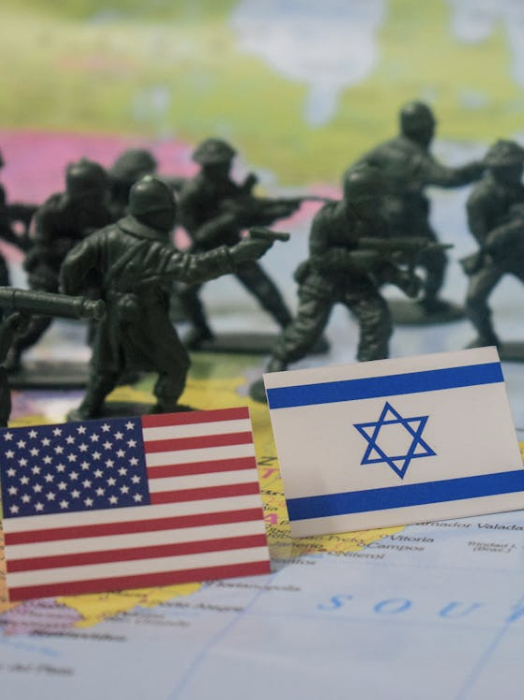
This seems quite unsustainable, especially in light of the recent dismantling of USAID, including its President’s Emergency Plan for AIDS Relief program. In 2024, USAID sent over $12 million to sub-Saharan Africa.
But it also left me with a big question while I bussed around Uganda – why should international organizations play a role in promoting healthcare in developing nations, and to what extent is their involvement driven by moral responsibility versus self-interest? Do developed nations like the US even have a moral obligation to assist developing countries in their domestic matters? And how does relying on funding and support from international organizations shape domestic healthcare programs in the long run? Why is it that Mohammed must wait for Pastor John to bring a wealthy foreigner to Mulago to subsidize his CT scan?
These are questions that I still grapple with weeks after returning to the US. While I do not believe in terminating USAID, I am surprised that the Cold War relic continued for so long. It is a little odd to me that the US for decades sought to promote basic health in sub-Saharan Africa while we do not yet have universal healthcare. It is not as if Uganda is currently conflict-ridden and in need of immediate medical attention, unlike Palestine, Ukraine, South Sudan, or Myanmar, just to name a few. Why does it seem as if Western nations are bailing out Uganda, when its own government should be reprioritizing or restructuring to adequately meet its citizens needs independently?
During my time with MUJHU, I learned that while so many people had been laid off, the elimination of USAID funding had forced many organizations to become streamlined. At the same time, many healthcare services have been impaired, medication shortages have increased, and clinics have closed. To me, this highlights Uganda’s and sub-Saharan Africa’s dependence on foreign aid.
As for why Western nations often find themselves providing aid to sub-Saharan Africa, I learned of two reasons. First, it is easier to perform research on diseases such as HIV or tuberculosis in Uganda because of its high burden of disease and willingness of partners to
Healthcare is a form of political soft power that Western nations use to establish spheres of influence. I often debated whether these Western nations were really doing what was best for Ugandans. By allowing Uganda to rely on them for healthcare, they are enabling the government to allocate their own funds elsewhere, oftentimes into their own pockets. I fear Western healthcare intervention is only a short-term solution that decreases the likelihood that Uganda can address its health on its own.
I was intrigued by the level of Chinese intervention in Uganda – I noticed many more Chinese businesses, and much less Chinese healthcare clinics. Much of Uganda’s new infrastructural developments, from simple things like roads and appliances to larger projects like dams and mining plants, are Chinese funded, either by loans or directly by Chinese ventures expanding in Uganda. In fact, there has I believe that these Chinese projects give Ugandans more autonomy and economic progress. The impact of newer roads will lead to smoother transport and transactions, the introduction of new powerplants will lead to a more widespread electrical grid, and more appliances will lead to better preservation of foods and medicines. Ultimately, in a developing nation such as Uganda – nay, anywhere – health is a political and economic issue. Economic progress and modernization will allow Uganda to be self-sufficient to a point where it need not rely on USAID or foreign philanthropy.
China may indeed become the new economic colonizers in sub-Saharan Africa the same way the US once inserted its dominance over Central and South America. However, in order to achieve better health, Uganda must be in a state where Mohammed’s mother does not feel pressured to give birth at home. She needs to have easy access to health clinics to test herself and her son for HIV. She needs health literacy to know that ARTs are state funded. She needs roads (in good condition) to take her to the clinic to pick up her ARTs or to a hospital to give birth. Mohammed and his father need a hospital and a healthcare system which allows them to get a CT scan, independent of whether Pastor John has brought a donor to the clinic today or not. Uganda needs to modernize one way or another, at its own pace. Only then can it achieve health.
Acknowledgements
I would like to extend a special thank you to Professor Philippa, Dr. Nicolette, Dr. Sabrina, and Dr. Michel for welcoming me into the beautiful country you call home and into your institutions, and for educating me not only about medical procedures, but about the daily realities Ugandans face. I am especially grateful to Dr. Motevalli, whose extraordinary generosity and warmth make her a natural connector, drawing together brilliant minds and fostering meaningful collaborations. Finally, I’d like to extend my gratitude to Phillip, the best Kampala tour guide, and to the countless others who welcomed me with open arms.